Musty Supply Air After the Air Conditioner Ran All Day on the Nature Coast
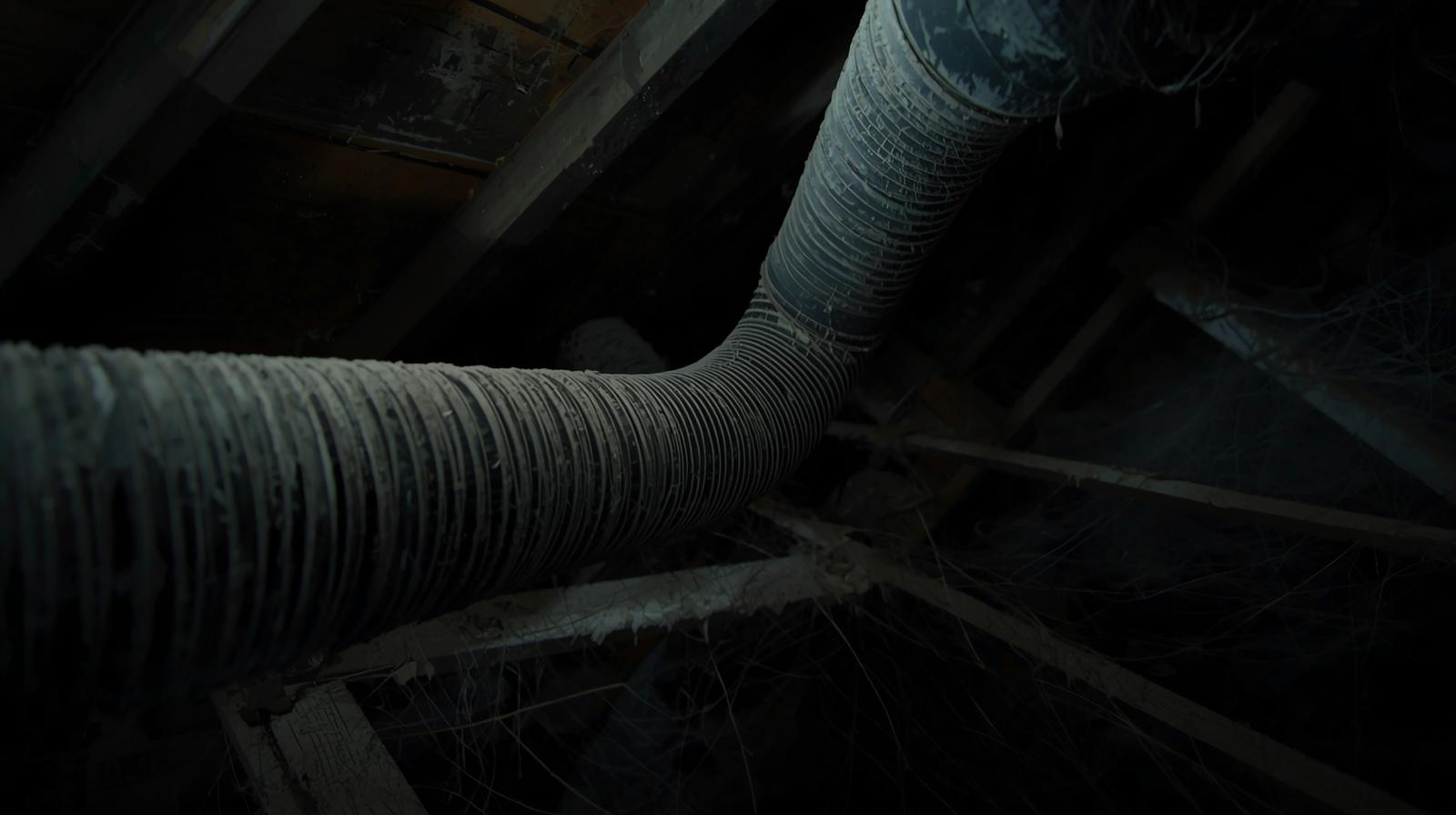
Musty air at registers after long cooling runs on the Nature Coast often involves moisture on coils, drains, or return pathways rather than outdoor temperature alone.
Long runs change what you smell at the register
Nature Coast afternoons push central systems into hours of continuous operation. Coils stay wet, drain lines carry more condensate, and return air pulls air from every connected space including closets, garages, and crawl openings.
Musty supply air that appears after the system satisfies the thermostat may mean organic growth on a wet coil, standing water in a pan, or return air pulling odor from a damp zone. The symptom is not proof of mold in every wall cavity until measured conditions support it.
Note whether odor appears at all supplies or one branch. House wide odor with even temperatures often starts at the air handler. One room may trace to a local duct leak pulling attic or crawl air.
Lanai sliders cracked during afternoons can keep coils wet between cycles.
Homes along the Withlacoochee and Gulf access roads often run cooling from mid morning through sunset during shoulder season. That pattern keeps blower wheels turning without the long off cycles that would let a pan dry fully between runs.
Guest weeks that stack laundry, showers, and cooking load latent heat that the coil must remove before dry supply air reaches bedrooms.
Coils, drains, and filtration
Dirty evaporator surfaces and restricted filters reduce airflow and extend time the coil stays saturated. Drain traps that gurgle or overflow leave pans wet between cycles. Float switches may shut the system without clearing the underlying restriction.
Technicians inspect coil condition, primary and auxiliary drain flow, and filter fit before recommending ultraviolet products or large filter upgrades. Coil cleaning and drain work belong on air conditioner repair and installation when measurements show restricted heat transfer.
When coils test clean and odor persists house wide, indoor air quality assessment may document moisture sources beyond the equipment cabinet.
Guest weeks that stack laundry, showers, and cooking load latent heat that the coil must remove before dry supply air reaches bedrooms.
Odor at blower kick on versus after ten minutes of run time suggests different sources.
Vacant or seasonal homes on the Nature Coast may show odor only after the owner returns and runs continuous cooling for several days. Stored furniture, closed lanai doors, and stale filters amplify the first week smell even when drain lines eventually clear.
Prior service notes on pan treatment products help us see whether odor is recurring growth or a new drain restriction.
Returns and attached spaces
Returns that communicate with garages, lanais, or storage rooms can move paint fumes, mildew from stored items, or humidity from open sliders into the supply path. Closed interior doors without transfer paths can increase return starvation and odd smells at distant registers.
Read return air problems that look like equipment failure when odor started after a door or storage change. Duct testing belongs on air duct repair when leaks pull unconditioned air.
Prior service notes on pan treatment products help us see whether odor is recurring growth or a new drain restriction.
Waterfront homes may need drain treatment intervals adjusted after long run weeks.
Supply registers above dropped ceilings can hide flex connections that pull attic air when trunk wrap fails. Musty odor with a sudden temperature split at one grille may need duct inspection separate from coil service.
Dehumidification context
Acceptable temperature with sticky fabrics and closet odor may need dehumidifier repair and installation after coils and drains test within spec. Whole home moisture targets differ from what a central coil removes on short cycles.
Homosassa, Crystal River, Inverness, and Beverly Hills homes with open water nearby may see higher latent load even when sensible cooling looks fine on the thermostat display.
Thermostat setbacks that call for long afternoon runs without night setback can mask drain issues until a humid week stacks condensate faster than the line can carry.
What to send when you schedule
List which registers smell strongest, whether odor fades after the system sits off overnight, and filter change dates. Book through contact or call (352) 621-3444. Service areas include Citrus County communities and related notes on the blog.
We ask whether the odor started after filter upgrades, carpet cleaning, or storm water near the air handler platform before quoting lamp or filtration products.
Visit documentation on musty supply complaints
Technicians log supply air temperature, run time before odor, and whether odor tracks all zones.
Drain flow tests and float switch state are recorded as pass, fail, or not present.
Recommendations list coil cleaning, duct sealing, dehumidification, or assessment as separate scopes.