Getting Your Air Conditioner Settled After an Afternoon Storm
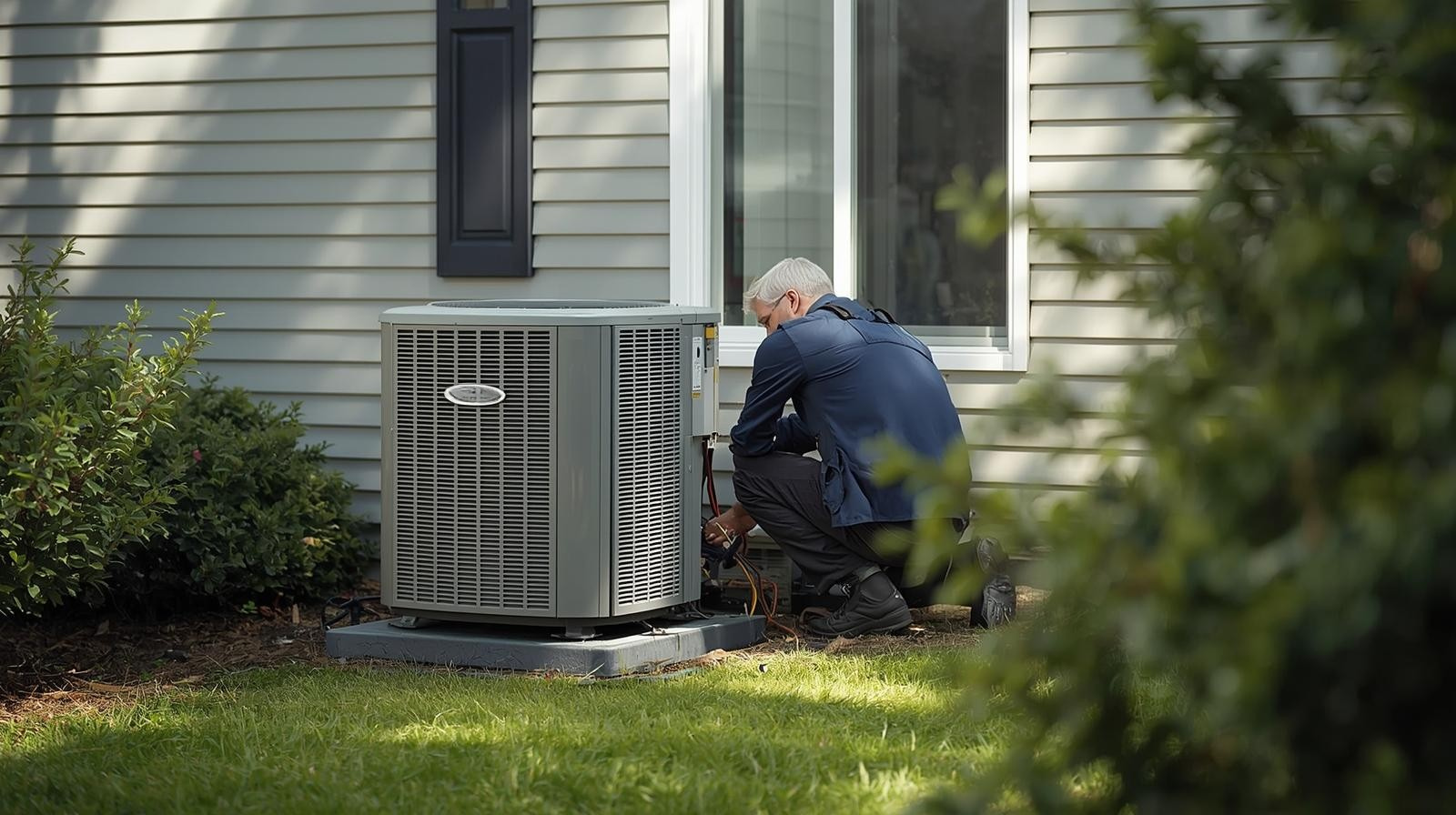
Gulf thunderstorms roll through Homosassa, Crystal River, and Inverness most midsummer weeks. Power blinks. Humidity spikes. Outdoor units sit through a downpour, then face heat again when the sun returns. Many Nature Coast homes feel clammy or lose cooling for a stretch after that pattern, even when the compressor was fine that morning. The first job is a short recovery checklist: power and breakers, condensate float, filter, closed doors, then a clear call for repair or maintenance when the system still will not settle.
What an afternoon storm does to a cooling call
A brief outage resets some thermostats and leaves others on holds you forgot about. Condensate pans fill faster when the coil runs hard into humid air after the rain. Float switches open the cooling circuit when the pan level rises. That stoppage feels like a dead system even though the outdoor cabinet may look normal once power returns.
Sticky rooms after storms are not the same story as open lanai load all afternoon. Porch doors invite outdoor air on purpose. Storm recovery often starts with a float, a tripped breaker, or a thermostat that never resumed the schedule you expected. Keep open lanai and central cooling load for door habits, and use this post when weather, not lifestyle, changed the afternoon.
Power, breakers, and thermostat recovery
After lights flicker, look at the wall control. Confirm the mode still shows cool, not off or a blank screen. Note whether a schedule or hold is active. Large setbacks right after an outage ask the system to recover while humidity is already high, which stretches run time and fills pans faster.
Check the breaker labeled for the air handler or outdoor unit only if labels are clear and the panel is dry. Leave unlabeled breakers alone and write power unknown for the technician. Read thermostat repair and installation when the display returns but never matches how the house feels after storms. Compare smart thermostat benefits and limits if software schedules fight recovery every wet afternoon.
If supply air never returns after power looks fine, stop stacking deeper setpoints. That habit does not clear a float switch or a failed contactor. Move to the pan and filter checks next.
Condensate pan, float switch, and drain line clues
Nature Coast humidity after rain raises latent load. The coil removes more moisture. Primary and secondary pans see more water. A float switch that opens cuts the cooling call until the pan level drops or the switch is reset during service. Look for standing water in a visible emergency pan, damp insulation at the air handler closet, or a recent shutoff that coincides with heavy cooling after the storm.
Do not pour chemicals you cannot name into the drain. Note whether the line has a cleanout you already use on a schedule. Bring photos of the pan area when you contact us. Measured drain and float work belongs on a visit, described on air conditioner repair and installation, not on guesswork behind sealed panels.
For seasonal humidity science that overlaps storm weeks, read how Florida humidity stresses air conditioners. When clamminess stays after the system runs again, ask about dehumidifier repair and installation so latent load is not treated as a compressor failure alone.
Filter, doors, and outdoor cabinet after the rain
Change or inspect filter media if it looks loaded. Storm weeks with windows cracked during the cool down push more dust and pollen onto media. Weak airflow after a storm can be restriction, not a failed outdoor fan. Walk return grilles and clear baskets or laundry that piled up while the house waited out the weather.
Close exterior doors and lanai sliders for the recovery run. Mixed outdoor air after rain adds moisture the coil must remove before bedrooms feel dry. That habit check is free and often separates door load from mechanical faults. Outdoor pads collect leaves and yard debris washed into the fence line. Clear what you can reach without climbing. Long hot stretches still need condenser space: see long hot stretches condenser clearance for Nature Coast yards.
A short recovery list for the first hour
- Confirm cool mode and a sensible setpoint on the wall control.
- Note breakers only when labels are clear and the panel is dry.
- Look at the pan for standing water or recent wet stains.
- Check the filter and clear return paths.
- Close exterior doors for a recovery cooling block.
- Clear outdoor debris within two feet of the cabinet when it is safe to walk the pad.
When maintenance fits and when repair fits
Book maintenance when the system restarts but you want coil, drain, and electrical checks timed to real midsummer load. Plans and visit scope live on maintenance plans and benefits of regular maintenance. Compare maintenance plans or a repair call when you are unsure which path matches the afternoon.
Book repair when cooling never returns after power and filter checks, when ice forms where it should not, or when the outdoor fan stays silent through a cooling call. Start with air conditioner repair and installation. Ductless heads that fail only in one room after storms belong on mini split repair and installation. Weak one-room airflow that survives a fresh filter may need air duct repair rather than another outdoor unit guess.
Keep what to do when your air conditioner breaks on the hottest day handy if cooling collapses during extreme heat after the storm clears. For sticky air that outlasts recovery runs, add indoor air quality assessment to the conversation.
Local notes for Homosassa and Crystal River homes
Coastal pads see salt air and yard wash after rain. Inland Citrus Springs and Floral City homes often see attic heat rebound as soon as clouds leave. Both patterns ask the same recovery order: controls, float and drain clues, filter, closed envelope, then service when the system still will not settle.
Meet the crew on about, browse service areas and Homosassa, and contact us with storm timing, thermostat screenshots, pan photos, and which rooms stayed clammy. Return to the main blog for filter quizzes and lanai load guidance when weather is only part of a larger comfort story.
Talk through storm recovery with measured help
Share outage timing, pan photos, and filter notes when you contact us. We keep answers tied to what we measure on site.