What to Do When Your AC Breaks on the Hottest Day in Citrus County
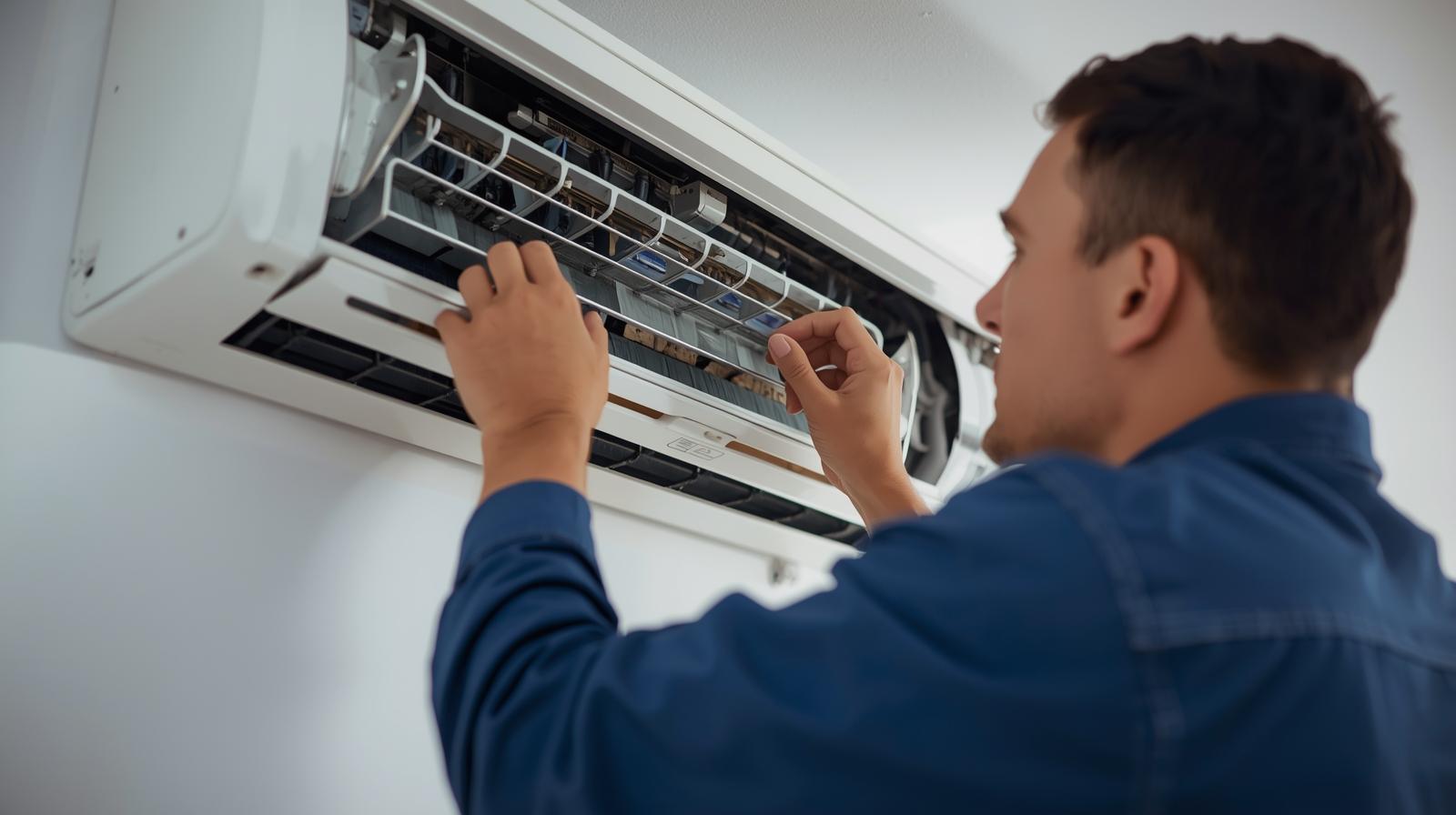
Your air conditioner just stopped blowing cold air, the indoor temperature is climbing past eighty five degrees, and the forecast says it will hit ninety four today. If you live in Homosassa, Inverness, or Crystal River, you already know that a failed cooling system in July is not just uncomfortable—it is a genuine safety concern for children, elderly family members, and pets. After serving your neighbors for thirty five years, we have guided thousands of families through this exact situation. Here is exactly what you should do in the first hour, the first four hours, and beyond.
Your First Ten Minutes Matter Most
Before you call anyone or spend a single dollar, take these immediate steps to protect your home and potentially solve the problem yourself. Every action listed here is safe for any homeowner and requires no tools.
Check Your Thermostat Settings
Walk to your wall thermostat and verify it is set to Cool mode and the target temperature is at least five degrees below your current room temperature. We receive dozens of service calls each summer where a family member accidentally switched the system to Heat or Off. Look at the display screen and confirm you see "Cool" or a snowflake symbol illuminated.
Inspect Your Circuit Breakers
Go to your home's main electrical panel, usually located in a garage, utility room, or outside near the meter. Look for two breakers labeled AC, Air Conditioner, or HVAC. One controls the indoor air handler, the other controls the outdoor unit sitting next to your house. If either switch is in the middle position or flipped to Off, reset it by pushing it firmly to Off, then back to On. Listen for the system to restart.
Look at Your Air Filter
A completely blocked filter can cause your system to freeze up and stop cooling. Locate your return air grille—typically a large rectangular vent on a wall or ceiling inside your home. Open it and slide out the filter. Hold it up to a light. If you cannot see light passing through the material, the blockage is choking your airflow and your system has likely shut down for self protection. Replace it immediately with a new filter from any local hardware store.
Check the Outdoor Unit
Walk outside to the metal cabinet sitting on a concrete pad near your home. Make sure nothing is blocking the unit—no lawn furniture, storage bins, overgrown shrubs, or piles of leaves. The unit needs at least two feet of clearance on all sides to pull in air. Also look to see if the fan inside the top grille is spinning. If you hear the unit humming but the fan is not moving, you have a mechanical failure that requires professional repair.
---When You Need Emergency Service Right Now
If you completed the steps above and your system is still not cooling, you are facing a genuine equipment failure. Here is what you need to understand about getting help fast in Citrus County.
Emergency Service Is Not the Same as Same Day Service
Many companies advertise same day appointments, but true emergency service means a truck will arrive within two to four hours regardless of the time or day. At Air Care, our emergency response includes nights, weekends, and holidays because we know cooling failures do not wait for business hours. When you call our emergency line at (352) 621-3444, you speak immediately to a dispatcher who will commit to an arrival window.
What to Expect from a Legitimate Diagnosis
A qualified technician will spend at least thirty minutes testing your system. They will check refrigerant pressures, measure electrical current to the compressor and fan motors, inspect the condensate drain line for clogs, and verify all safety controls are functioning. You should receive a written estimate before any repair work begins, and that estimate should specify the exact failed component—not vague language like "needs service" or "requires maintenance."
Understanding Refrigerant Leaks
If your technician finds low refrigerant, they are required by federal law to locate and repair the leak before adding refrigerant. Any company that offers to "top off" your system without finding the leak is breaking EPA regulations and setting you up for another failure in a few weeks. Refrigerant does not get used up like gasoline—if the level is low, there is a hole somewhere that must be sealed.
---Protecting Your Family While You Wait for Repair
Even with emergency service, you may need to wait two to four hours for a technician to arrive. During that time, your indoor temperature will continue climbing. Here is how Lecanto and Hernando families can stay safe without spending hundreds of dollars on hotel rooms.
Create a Cool Room Strategy
Choose the smallest bedroom in your home and close all doors and windows except in that one room. Hang damp towels over the window to block direct sunlight. Move your family, pets, and any temperature sensitive medications into this space. Use battery powered fans if you have them, but do not run extension cords under rugs or through doorways where people are walking.
Stay Hydrated with the Right Approach
Drink room temperature water, not ice cold beverages. When you drink extremely cold liquids during heat stress, your body has to work harder to warm the fluid to body temperature, which generates more internal heat. Fill water bottles and place them in front of fans to create a cooling mist effect. Encourage children and elderly family members to drink at least one full glass every hour even if they do not feel thirsty.
Recognize Heat Exhaustion Warning Signs
If anyone in your home develops heavy sweating combined with cold or clammy skin, a fast but weak pulse, nausea, or dizziness, they are experiencing heat exhaustion. Move them to the coolest part of your home immediately, remove excess clothing, and apply cool wet cloths to the neck, armpits, and groin. If symptoms worsen or the person loses consciousness, call 911. Do not wait to see if they improve on their own.
---Why Most AC Failures Happen During Peak Heat
You might think it is terrible luck that cooling systems fail on the hottest days, but there is actually a clear mechanical reason this pattern repeats summer after summer across Florida.
Equipment Runs Longer and Works Harder
When outdoor temperatures exceed ninety degrees, your air conditioner runs almost continuously instead of cycling on and off throughout the day. Components that might have failed eventually—a wearing compressor, a weak capacitor, a small refrigerant leak—suddenly face maximum stress for twelve to sixteen hours straight. The part that was barely hanging on finally gives up.
Electrical Grids Create Voltage Sags
During extreme heat, everyone in your neighborhood runs their air conditioning at the same time. This collective demand causes slight voltage drops in the power supply feeding your street. Your compressor is designed to operate on two hundred forty volts, but during peak usage it might only receive two hundred twenty volts. This undervoltage condition forces the motor to draw more current to do the same work, which overheats internal windings and can destroy the compressor in a matter of hours.
Outdoor Units Battle Their Own Heat
The metal cabinet sitting outside your home contains a compressor that generates enormous amounts of heat as a natural byproduct of the refrigeration cycle. When the surrounding air temperature is ninety five degrees, and the unit is running continuously, the internal temperature of that compressor can reach three hundred degrees. Add in a fan motor that is struggling, a condenser coil covered in cottonwood seeds, or a capacitor that is losing strength, and you have a recipe for catastrophic failure.
---Questions to Ask Before You Agree to Repairs
When you are hot, frustrated, and facing an expensive repair estimate, it is easy to say yes to anything that promises cool air quickly. Protect yourself by asking these specific questions before authorizing any work.
Is This Repair Covered Under Any Existing Warranty?
Most major equipment manufacturers including Carrier, Rheem, and Mitsubishi provide parts warranties that last five to ten years from the original installation date. If your system is less than ten years old, ask your technician to check the equipment serial number and verify warranty coverage before you pay out of pocket for a compressor, heat exchanger, or circuit board. Labor is not usually covered, but a free part can save you five hundred to fifteen hundred dollars.
What Caused This Specific Component to Fail?
A legitimate diagnosis includes identifying why something broke, not just what broke. If your compressor failed, was it due to a refrigerant leak, electrical problem, or normal wear? If your evaporator coil froze, was it a dirty filter, low refrigerant, or a failed blower motor? Understanding the root cause helps you prevent the same failure from happening again in six months.
How Long Will This Repair Actually Last?
Not all repairs are created equal. Some fixes like replacing a capacitor or cleaning a drain line should last for years. Other repairs like patching a refrigerant leak or replacing a fan motor on a twelve year old outdoor unit might only buy you one or two more seasons. Ask your technician to be honest about whether you are looking at a permanent solution or a temporary patch that is buying you time to plan for replacement.
---When Replacement Makes More Financial Sense Than Repair
The most difficult decision you will face during an emergency is whether to repair your current system or replace it entirely. Here is the honest framework we give to families in Crystal River and Citrus Springs when they ask for our recommendation.
The Fifty Percent Rule
If your repair estimate exceeds fifty percent of the cost of a new system, and your current equipment is more than ten years old, replacement is almost always the smarter financial decision. For example, if you receive a repair quote for twenty five hundred dollars and a new system costs five thousand dollars installed, you should strongly consider replacement. You are about to spend half the cost of new equipment on a system that is already near the end of its expected lifespan.
Efficiency Has Doubled in Fifteen Years
Air conditioners manufactured before two thousand ten typically operate at a SEER rating of ten to twelve. New systems sold today start at fourteen SEER and go as high as twenty SEER for premium models. This efficiency difference translates directly to your monthly electric bill. A family in Homosassa replacing a twenty year old system with a modern sixteen SEER unit can expect to save forty to sixty dollars per month during the cooling season—that is four hundred to seven hundred dollars in annual savings that helps offset the replacement cost.
Your Comfort and Safety Have Value
Beyond the pure financial calculation, consider what you gain with a new system. You receive a manufacturer warranty covering parts for ten years and a labor warranty from your installer for at least one year. You eliminate the anxiety of wondering when the next breakdown will happen. You get modern features like variable speed fans that remove humidity more effectively, quieter operation, and smartphone control. Most importantly, you have confidence that your cooling will work when your family needs it most.
---Cooling emergencies cannot wait
We answer emergency calls seven days a week and arrive within hours, not days. Your Citrus County neighbors trust Air Care to respond when it matters most.