What Whole-Home Dehumidification Targets in Florida Living Areas
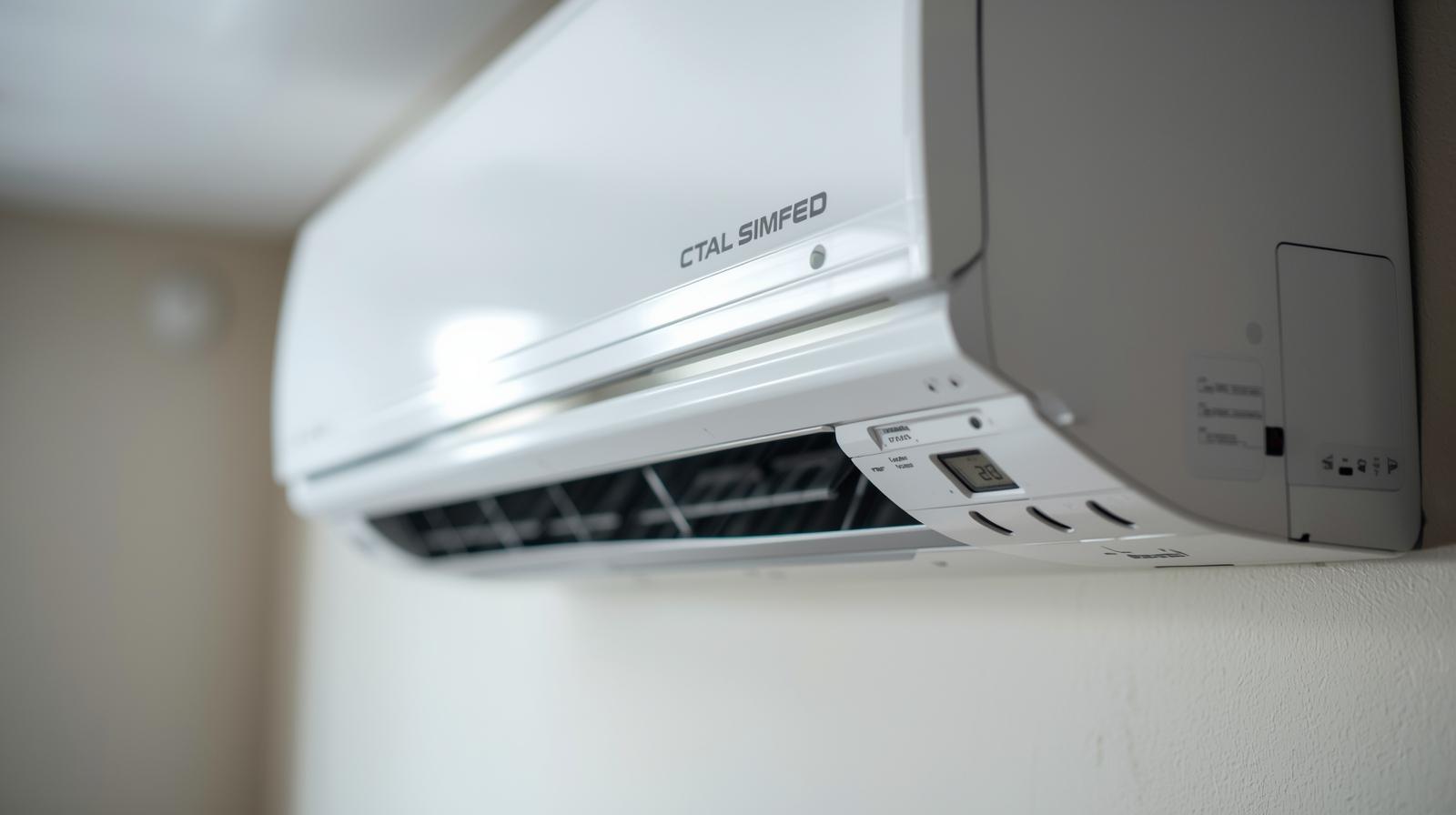
Whole home dehumidifiers address latent load the central coil may not remove during short cycles. Targets depend on layout, ventilation, and how each room is used.
Latent load is separate from thermostat temperature
Thermostats respond to dry bulb temperature. Comfort on the Nature Coast also depends on moisture in fabrics, cabinets, and flooring. A central system can post a normal stat reading while closets and closed bedrooms stay clammy.
Whole home dehumidification equipment removes moisture continuously or on a dedicated control strategy rather than only when cooling calls for temperature change.
Dedicated drains cannot share a restricted primary condensate line without planning.
Central coils sized for sensible comfort may satisfy the thermostat while relative humidity in living areas stays above what fabrics and cabinetry tolerate. Whole home dehumidifiers add latent removal without overcooling rooms that already feel acceptable on the display.
Smart humidity sensors in multiple rooms help owners see whether one problem zone drives the whole house reading.
Whole home units tied to central returns need a fan call that does not fight staging on two stage equipment. We log whether the air handler fan runs with dehumidifier dry contact before quoting tie in labor.
What equipment can reasonably target
Installed dehumidifiers typically aim to hold indoor relative humidity in a band appropriate for the home, not to sterilize air or remove every allergen. Capacity must match home volume, duct connection method, and drainage path.
Undersized units run constantly without reaching the band. Oversized units may short cycle on their own humidity sensor. Sizing uses measured conditions, not generic square footage rules alone.
Target humidity bands are ranges because kitchens and baths shift load hourly.
Ducted dehumidifier tie ins need return and supply paths that do not starve the air handler or fight staging logic. We size off interior volume, leakiness of the envelope, and whether the home sits near open water on the Nature Coast.
Holiday cooking and extra shower load can temporarily defeat undersized moisture equipment until capacity is verified against real occupancy.
Interior closet humidity above living room readings often means a supply duct leak or an unsealed attic hatch, not a undersized dehumidifier. Assessment visits include those rooms when owners report mildew on stored items.
When central cooling should be verified first
Smart humidity sensors in multiple rooms help owners see whether one problem zone drives the whole house reading.
Low airflow, dirty coils, and long neglected drains can mimic need for add on dehumidification. We document temperature split and drain flow on air conditioner repair and installation before quoting standalone moisture equipment.
Duct leaks that pull attic air can raise humidity without changing equipment age. Repair scope on air duct repair may lower latent load enough that whole home units become optional.
Post install readings compare two living areas and one closed bedroom.
Holiday cooking and extra shower load can temporarily defeat undersized moisture equipment until capacity is verified against real occupancy.
Standalone units in mechanical rooms still need dedicated drainage that cannot share a slow primary condensate line without backup planning. Float and drain alarms belong in the discussion when units run while the family travels.
Portable units in guest wings belong in a different conversation than ducted whole home moisture control. Mixing recommendations on one proposal blurs warranty and drain responsibility.
Living area priorities
Owners often prioritize bedrooms, open living areas, and closed Florida rooms with carpet. Closed guest rooms used seasonally may lag until doors stay open or dedicated returns improve mix.
Read whole house dehumidifier and sticky air and explore dehumidifier repair and installation for connection options.
Homes in Beverly Hills, Homosassa, and Inverness with raised slab edges may need different set points upstairs and downstairs because stack effect moves moisture between floors even when temperature looks even.
Next steps
Bring room by room humidity notes if you have meters, and list whether cooling runs long or short on typical afternoons. Call (352) 621-3444 or use contact. Related: indoor air quality services and blog archive.
Assessment before hardware quotes separates coil and drain faults from envelope moisture that equipment alone cannot fix. Readings in closed closets and interior baths matter as much as living room numbers.
Dehumidifier sizing and control notes
Indoor volume, duct tie in method, and drainage are recorded before capacity is discussed.
Central runtime logs help interpret whether add on moisture equipment is likely after coil verification.
Dedicated dehumidifier filter maintenance is listed separately from air handler maintenance.