Sea Breeze Days and Salt Air on Outdoor Condenser Cabinets
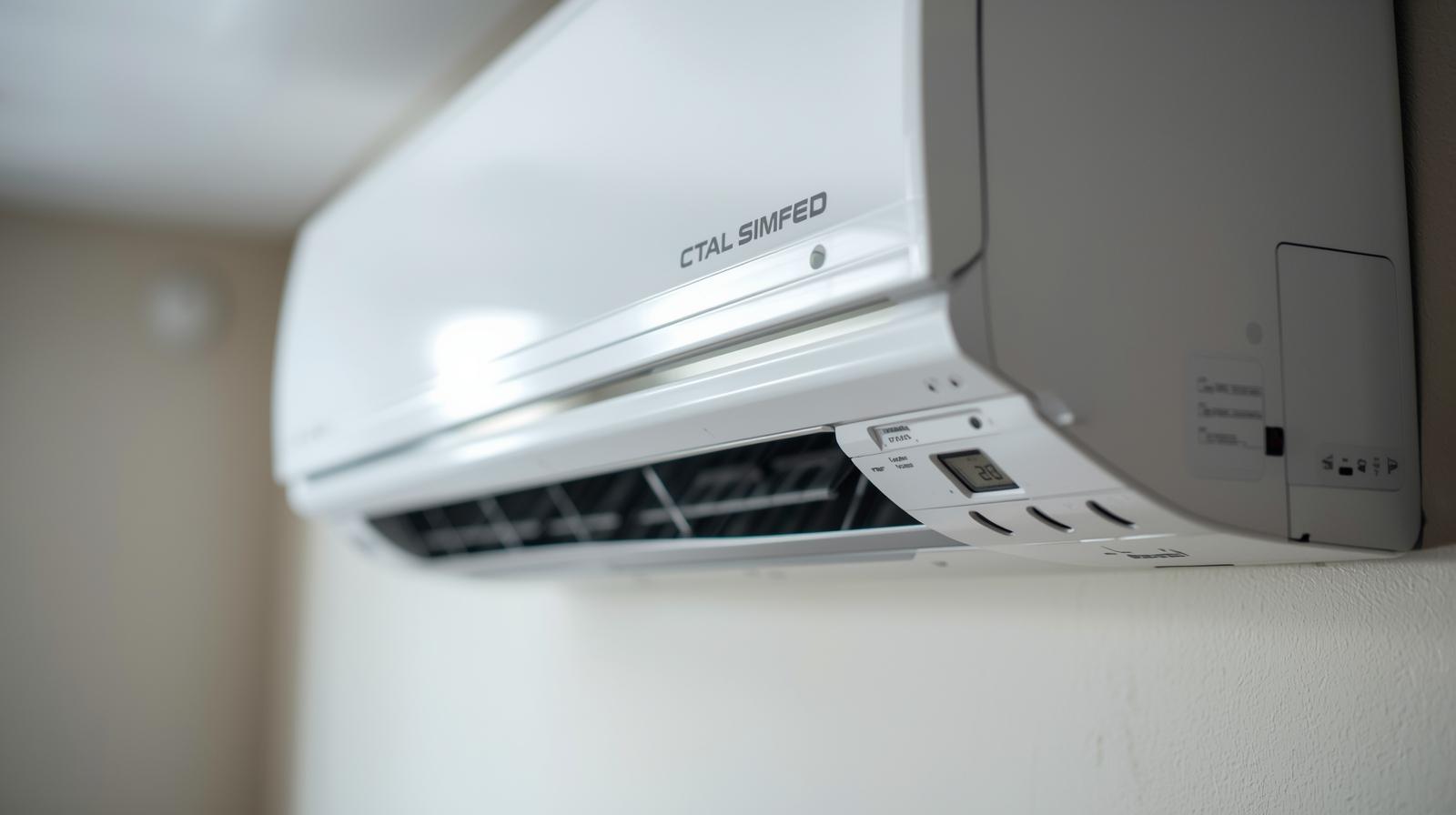
Coastal and near coastal Citrus County properties expose outdoor coils and cabinets to salt and debris on sea breeze days. Corrosion and airflow restriction show up as pressure and noise changes before total failure.
Sea breeze loads outdoor equipment
Onshore flow carries salt aerosol and sand that lodge in condenser fins. Homosassa and Crystal River waterfront routes see more fin corrosion than inland Hernando lots, though afternoon storms redistribute salt inland after long breeze days.
Restricted condenser airflow raises head pressure. Owners notice louder fans, warm air at supplies, or tripped breakers on the hottest afternoons.
Canal bank pads may corrode at anchor bolts faster than inland pads.
Salt film on coastal condenser fins reduces heat rejection before owners notice rust at the base pan. Canal homes and properties along HWY 19 see onshore flow that deposits salt even on calm afternoons.
We grade fin condition rather than recommending coil replacement on first visit unless leaks or blockages are confirmed.
Dog runs and pool cages beside condensers can redirect mower clippings and splash toward fins. Clearance notes are part of coastal maintenance tickets.
Pool cage misters and irrigation overspray that hit the condenser pad accelerate fin corrosion even inland from the gulf. Clearance photos help distinguish salt from chlorine residue on coil fins.
Maintenance that matches exposure
Coil rinsing direction matters so fins do not bend further. Electrical connections receive visual checks for corrosion. Cabinet base rust may affect fan motor alignment over years.
Maintenance plans on maintenance plans adjust visit spacing for coastal accounts when owners report visible salt crust after storms.
Post storm visits note whether surge affected disconnects separate from coil rust.
Gentle rinses after storm season and before heavy cooling weeks remove buildup without flattening fins when done with coil safe methods and power confirmed off.
We grade fin condition rather than recommending coil replacement on first visit unless leaks or blockages are confirmed.
Heat pump year round duty on the coast stacks defrost and cooling hours on the same outdoor coil, which changes how fast corrosion appears versus cooling only neighbors.
Microchannel coils show salt blockage as uniform pressure rise rather than localized fin crush. Testing distinguishes restriction from refrigerant loss.
Post storm surge visits may show electrical damage at the disconnect while fins look acceptable. Corrosion at terminal lugs is logged separately from cosmetic fin discoloration.
When repair or replacement is discussed
Leaks at storm damaged coils, failed fan motors from seized bearings, and compromised contactors appear after multiple salty seasons. Repair stays on air conditioner repair and installation until coil integrity fails testing.
Heat pump owners use the same outdoor cabinet for heat mode. Heat pump repair and installation includes defrost and coil inspections after coastal summers.
Heat pump year round duty on the coast stacks defrost and cooling hours on the same outdoor coil, which changes how fast corrosion appears versus cooling only neighbors.
Inland lots still need rinse after long onshore wind events.
Contactors and capacitor terminals corrode faster when disconnect boxes face prevailing breeze. Intermittent hard starts may be electrical before compressor failure is assumed.
Manufacturers differ on acceptable rinse agents near microchannel coils. We follow label limits so rinses meant for conventional fins do not void coil warranties.
Site habits
Clear vegetation and stored items from condenser clearance zones. Rinse after mowing when clippings pack the coil face. Document pad level after storm surge or flood events that submerge the base.
Elevated pads and vegetation clearance matter on waterfront lots where surge history and mower spray add corrosion at the cabinet skirt.
Schedule
Note distance to open water, storm exposure dates, and prior coil rinses. Call (352) 621-3444 or contact. Related: condenser clearance in sustained heat and service areas.
Inland Citrus County homes still see salt events after long onshore wind periods following tropical systems.
Hurricane shutters left partially closed can redirect salt mist onto a condenser that normally sits protected.
Coastal condenser inspection notes
Fin condition, contactor pitting, and base rust are graded rather than replaced automatically.
Owner clearance habits and storm dates help interpret corrosion speed versus equipment age.
Replacement discussions include disconnect condition when salt intrusion is visible.