Heat Pump vs Air Conditioner: Key Differences That Matter
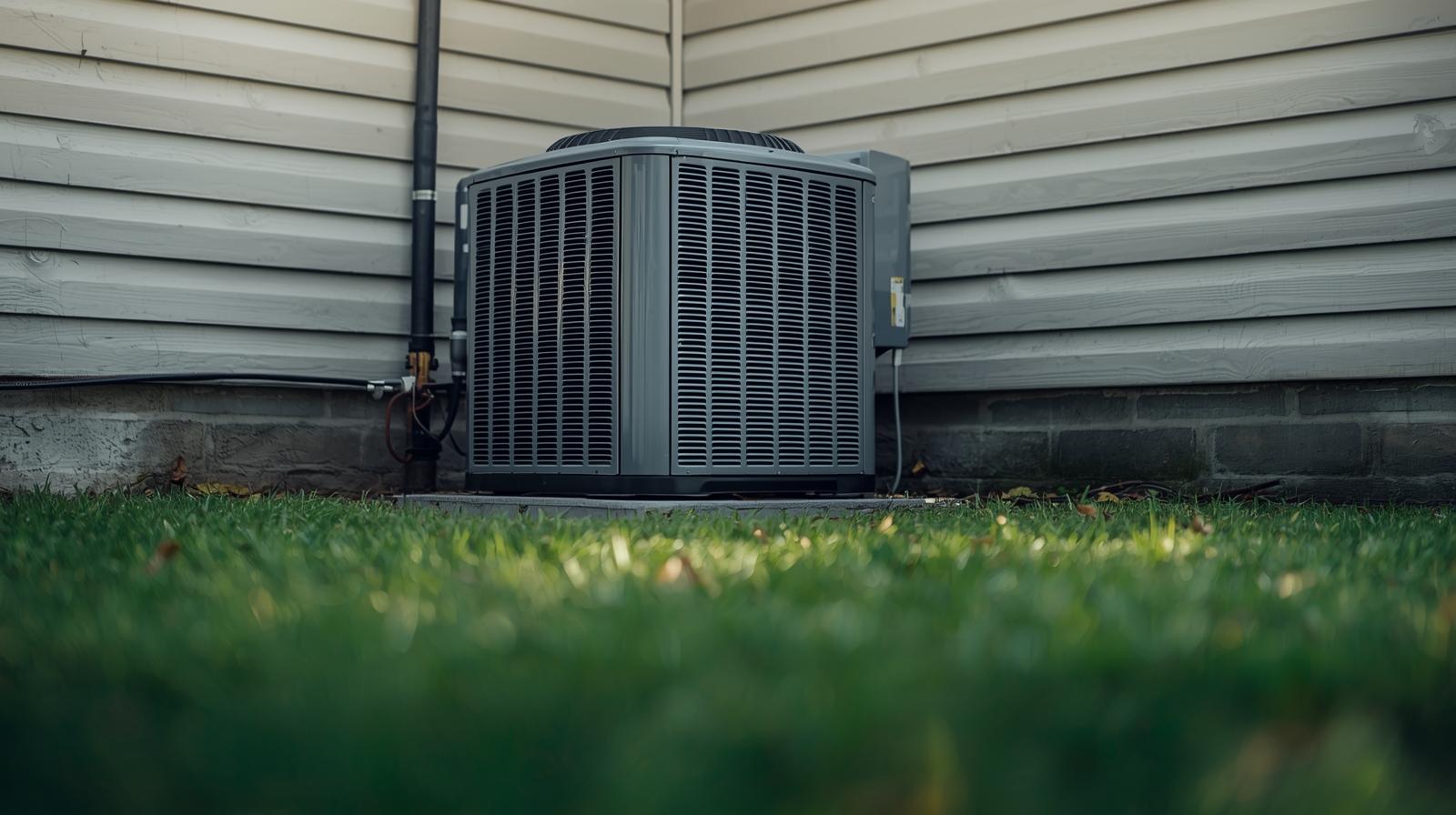
If you're stuck on the heat pump vs air conditioner question, here's the short answer: a heat pump is the better choice for most homes that want both heating and cooling in one system. But if your furnace still runs well and your winters are brutal, a standard air conditioner can still be the smarter buy. That split matters more than any sales pitch.
Heat pump vs air conditioner at a glance
At a glance, both systems cool your home in almost the same way. On a hot July afternoon, your indoor comfort can feel identical if the equipment is sized right and installed well.
The big difference is simple: an air conditioner only cools, while a heat pump cools and heats. That means a heat pump can replace two jobs with one system. If your current setup includes an aging furnace and aging AC, that alone can push the decision hard in one direction.
How each system works
Both systems move heat rather than "make cold." That sounds odd at first, but it's the easiest way to understand the comparison. Your equipment pulls heat from inside your home and sends it outdoors in summer.
A heat pump uses that same process, then reverses it in cooler weather so heat comes back inside instead.
How an air conditioner cools
Your air conditioner cycles refrigerant through an indoor coil and an outdoor coil. Inside, the refrigerant absorbs heat from your air. Outside, it releases that heat. Your blower then pushes cooled air through the ducts and back into your rooms.
For your buying decision, the takeaway is simple: an AC is built for one job. If you want heat in winter, you need a separate system to handle it.
How a heat pump cools and heats
A heat pump uses almost the same cooling cycle in summer. The trick is a reversing valve, which is just a part that flips the direction of refrigerant flow. In summer, heat goes out. In winter, heat gets pulled from outdoor air and moved into your home.
Yes, even cold outdoor air still contains some heat. The catch is that heat pumps have to work harder as outdoor temperatures drop, which is why climate matters so much.
Cooling performance
During cooling season, there usually isn't a dramatic winner. If both systems are modern, properly sized, and installed correctly, your living room should feel cool either way.
That surprises a lot of homeowners. The debate is usually not about who cools better in August. It's about what happens the rest of the year.
Which one cools better in summer?
For cooling alone, both can perform very similarly. A good heat pump is not some compromise AC. In summer, it acts like one.
If your installer sizes the system wrong, though, comfort drops fast. An oversized unit can short-cycle, meaning it turns on and off too quickly. An undersized unit can run constantly and still struggle. That matters more than the label on the box.
Humidity control and comfort
Humidity is where comfort gets more personal. You can have a house at 72 degrees that still feels sticky if moisture isn't coming out of the air.
Both air conditioners and heat pumps can manage humidity well, but sizing and installation often matter as much as the equipment. A properly matched system, good airflow, and the right thermostat setup do more for comfort than picking one category over the other. If you've ever walked into a muggy bedroom at 9 p.m. while the thermostat says everything is fine, you've seen this firsthand.
Heating capability
This is where the two options finally separate in a practical way. An air conditioner cools only. A heat pump heats and cools.
If you want one piece of equipment to cover both seasons, the heat pump has the cleaner answer.
Air conditioner heating setup
A standard AC needs a separate heating system, usually a furnace. That could be gas, oil, propane, or electric heat, depending on your home.
That means you have two systems working together. In many homes, that's perfectly fine. In fact, if your furnace is in good shape, keeping that setup can save money and avoid a bigger project.
Heat pump as an all-in-one option
A heat pump stands out because it can handle both jobs. That can simplify your setup and reduce your dependence on a fuel-burning furnace in some homes.
The catch is performance depends on your climate, insulation, air sealing, and whether backup heat is included. In a mild climate, a heat pump can carry the load beautifully. In a drafty house during a deep freeze, backup heat may still matter a lot.
Climate and location fit
Climate changes this decision fast. A system that feels perfect in one ZIP code can feel like the wrong tool in another.
That is not marketing fluff. It's the whole game.
Best choice for mild to moderate climates
Heat pumps shine in places with gentler winters. Think of a chilly morning in Raleigh or a damp evening in the Pacific Northwest, where temperatures are cool but not punishing for long stretches.
In those conditions, a heat pump can deliver efficient comfort almost year-round. If your winters are mostly manageable, this option makes a lot of sense.
Best choice for colder climates
In colder climates, an air conditioner paired with a furnace can still be the better fit, especially if winters are long and severe. A furnace brings strong, reliable heat when outdoor temperatures sink for days at a time.
That said, cold-climate heat pumps have improved a lot. Some newer models perform far better in low temperatures than older versions did. Still, in truly harsh winter regions, AC plus furnace remains a very practical answer.
Installation and system requirements
What you already have in place affects cost, complexity, and how disruptive the project feels.
Sometimes the best option on paper is not the simplest option in your house.
Replacing an existing air conditioner
If your furnace is still solid, replacing your old AC with another AC is often the simpler move. Your existing ductwork, controls, and heating setup may already fit the project neatly.
That usually means fewer changes, fewer compatibility issues, and a more straightforward install. If you want cooling fixed without reworking the whole system, this route has a lot going for it.
Switching to a heat pump
Moving to a heat pump can require extra planning. Your electrical service may need a look, your thermostat may need an upgrade, and backup heat may need to be part of the design.
None of that means "don't do it." It just means the project can be broader than a simple swap. If your current furnace and AC are both aging out, that broader project often makes more sense.
Lifespan, maintenance, and repairs
Neither system likes neglect. Dirty filters, blocked airflow, and skipped tune-ups shorten equipment life fast.
And HVAC equipment rarely ages gracefully. It gets noisier, less efficient, and more expensive to repair.
Expected service life
Both systems often last around 10 to 15 years, though actual lifespan depends on climate, maintenance, and installation quality. A well-installed system in a moderate climate can hold up much better than a neglected one running hard every season.
Because a heat pump works year-round, wear can add up differently than it does for an AC that only cools.
Maintenance needs
Both systems need regular filter changes, seasonal tune-ups, and a clear outdoor unit. Leaves, cottonwood fluff, and overgrown shrubs are not small issues. They choke airflow and make the system work harder.
A heat pump's all-season workload can mean a bit more attention over time. Not dramatically more, but enough to notice across the years.
Environmental impact
If reducing fossil fuel use matters to you, heat pumps usually have the stronger case.
That advantage comes mostly from how heating is handled.
Electricity use vs fuel use
A heat pump runs on electricity and can reduce or replace on-site gas or oil heating in some homes. A standard air conditioner still needs a separate heating system for winter, and that system often burns fuel.
So if your goal is to move away from combustion at home, a heat pump is the clearer path.
Efficiency and emissions
Because heat pumps can heat so efficiently, lower energy use can translate to lower emissions in many situations. The exact impact depends on how electricity is generated in your area and what kind of heating you're replacing.
Still, if your current setup relies on older electric heat or fuel oil, the improvement can be meaningful.
Best use cases: when to choose a heat pump
Some homes are almost made for a heat pump. If your situation lines up with these strengths, the decision gets easier fast.
Choose a heat pump if you want one system for both seasons
If you'd rather have one system handle heating and cooling, choose the heat pump. This is the cleanest, strongest argument in its favor.
You get simpler year-round comfort from one setup instead of juggling an AC plus separate heating equipment. If both sides of your current system are aging, this is often the smartest upgrade.
Choose a heat pump if your winters are relatively mild
If your winters are moderate, a heat pump is especially appealing. It can heat efficiently without the high running costs that come with baseboard heat or older electric systems.
In those homes, a heat pump is not just convenient. It's usually the better value.
Best use cases: when to choose an air conditioner
A standard air conditioner still makes plenty of sense in the right home. Not every house needs an all-in-one answer.
Choose an air conditioner if you already have a good furnace
If your furnace is reliable and has years left, replacing only the AC is often the simpler and cheaper move. You avoid replacing equipment that still does its job well.
That's not settling. It's just practical.
Choose an air conditioner if you live in a very cold climate
If your winters are severe, an AC plus furnace setup can still be the more dependable fit. In places with deep, prolonged cold, strong furnace heat remains hard to beat.
This is about matching the system to your reality, not chasing whatever sounds newer.
Heat pump vs air conditioner: which one wins?
For most homes, the heat pump wins because it gives you efficient heating and cooling in one system. If your winters are mild to moderate, or if you're replacing both your heater and AC anyway, that's the direction to lean.
An air conditioner wins when your furnace is still solid and your winters are harsh. That's the simple decision rule. Check the condition of your current heating system first, then look honestly at your winter weather. That one move will usually make the answer obvious.
Disclaimer: This article is for general informational purposes only. It is not professional advice, a quote, or a service agreement. Conditions at your home or property may differ; contact a qualified professional for an on-site evaluation before making repair, safety, or spending decisions.
Ready to talk through this?
Send notes and photos when you contact us. We will explain what we can confirm and what comes next.