Dual-Fuel Heat Pumps: When They Make the Most Sense
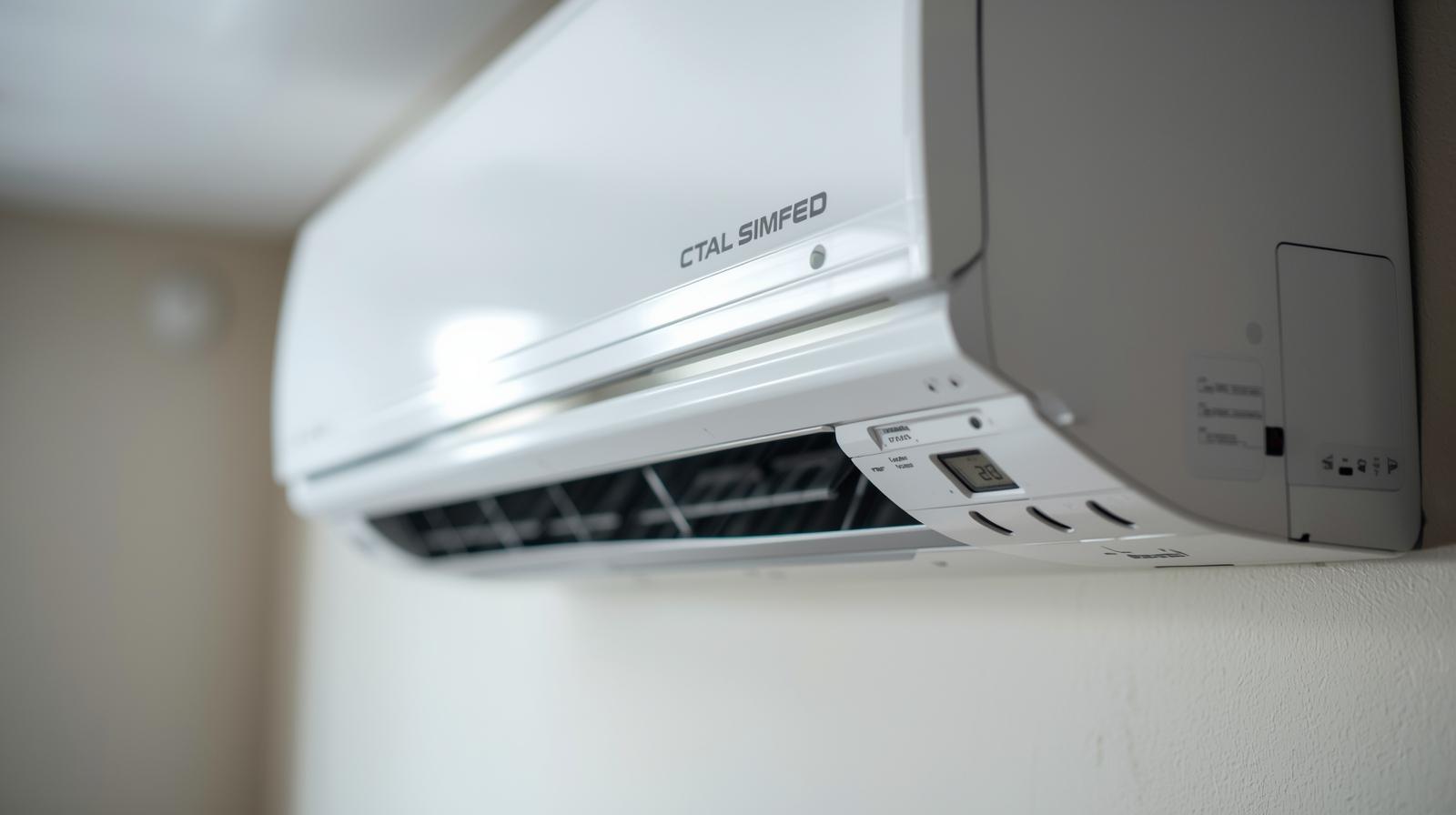
Buying heating and cooling equipment gets confusing fast, especially when every option sounds like the “smart” one. A dual fuel heat pump can be a genuinely great fit, but only in the right house, with the right fuel prices, and the right setup. This guide cuts through the jargon so you can tell when it makes sense, when it does not, and what to look at before you sign anything.
What a dual fuel heat pump actually is
A dual fuel system is simpler than the name makes it sound. You have a heat pump outside and a furnace inside, and the system switches between them depending on outdoor conditions and operating cost. The point is not to run both at once. The point is to let each piece of equipment do the job it handles best.
You will also hear the term “hybrid heat.” In most homes, that means the same basic idea: a heat pump paired with a gas or propane furnace. A standard heat pump, by contrast, does not have a furnace backup. It usually relies on electric resistance heat strips for extra cold weather support.
That difference matters. Electric backup heat works, but it is often expensive to run. A dual fuel setup gives you another option.
Heat pump + furnace: the simple version
Think of it like wearing a light jacket most days and pulling out a heavy coat when the temperature really drops. For a big stretch of the year, the heat pump handles the work. It heats in cooler months and cools in summer, so it does double duty.
When winter gets colder, the furnace takes over. If your backup fuel is natural gas or propane, you get strong, fast heat without relying on electric strips. In practical terms, that means lower electric use during cold snaps and fewer worries about whether the house will keep up on a windy 12-degree morning.
Why “dual fuel” does not mean two systems fighting each other
A well-set-up dual fuel system is coordinated, not chaotic. The thermostat and system controls decide which heat source runs and when the switchover happens. You are not flipping back and forth manually like an old window AC and a space heater.
That switchover point is usually based on outdoor temperature, energy prices, comfort targets, or a mix of all three. So instead of two separate systems competing, you get one heating and cooling setup with a built-in decision rule. If the controls are right, you barely notice the change except on the utility bill and in how the house feels.
How a dual fuel system works through the seasons
The easiest way to understand what you are buying is to picture the system across a full year. In mild weather, the heat pump does most of the heating. In deep winter, the furnace steps in. In summer, the same outdoor unit cools your home like a central AC.
That year-round flexibility is the appeal. You are not paying for a weird specialty system. You are paying for a setup that can shift gears as the weather changes.
In mild weather, the heat pump does the heavy lifting
A heat pump does not create heat the same way a furnace does. It moves heat from outside to inside. Even when the air outside feels chilly, there is still heat available to move, especially when temperatures are moderate.
That is why heat pumps can be very efficient in fall, early winter, late winter, and spring. During those shoulder seasons, a dual fuel system can keep your house comfortable while using less energy than a furnace-only setup. If you live somewhere with lots of 35-to-55-degree days, that matters a lot.
In colder weather, the furnace takes over
As outdoor temperatures drop, the heat pump has to work harder and becomes less efficient. At some point, the furnace becomes the better tool for the job. That handoff temperature is often called the balance point.
Here’s the thing: the balance point is not just a random factory setting. It should reflect your home, your climate, your utility rates, and your comfort preferences. In one house, the switch might make sense around the upper 20s. In another, it could be lower or higher. The best setup is based on math and real conditions, not guesswork.
Summer is simple: it cools like a central AC
In summer, a dual fuel heat pump acts like a standard central air conditioner. The outdoor unit moves heat out of your home, and the indoor side circulates cooled air through your ducts.
That matters if you are replacing both heating and cooling equipment at once. You are not buying a winter-only upgrade. You are replacing your AC too, which changes the value equation quite a bit.
When a dual fuel heat pump makes the most sense
A dual fuel setup shines in a pretty specific lane. It is not the best answer for every house in every climate, but in the right situation it can be one of the smartest HVAC upgrades you can make.
The sweet spot is a home that needs real winter heat, still gets plenty of moderate weather, and already has the bones for forced-air equipment.
Your winters are cold, but not brutally cold all season
Mixed climates are where dual fuel really earns its keep. If your winter bounces between cool, cold, and occasionally very cold, a heat pump can cover a lot of the season efficiently, while the furnace steps in when conditions get rough.
That kind of climate pattern shows up in plenty of suburban areas across the Mid-Atlantic, Midwest, lower Northeast, and parts of the South with colder winter swings. Think of a January where one week sits in the 40s and the next drops into the teens. A dual fuel system handles that kind of mood swing well.
You already have ductwork and a gas or propane option
Existing infrastructure changes the math. If your home already has usable ductwork and a gas furnace, or a propane setup that can support backup heat, the jump to dual fuel is often much more practical than starting from scratch.
The catch is that “existing ductwork” does not automatically mean “good ductwork.” If the ducts are undersized, leaky, or badly laid out, comfort and efficiency can suffer. Still, a house already built around forced-air heating is usually a better candidate than one that would need major duct installation just to make dual fuel possible.
You want lower electric use without giving up strong winter heat
A lot of homeowners like the idea of heat pumps until the conversation gets to backup heat. That is fair. Electric resistance strips can be expensive to run, and in very cold weather, a furnace simply feels stronger.
Dual fuel solves that tension. You get the efficiency benefits of a heat pump during moderate weather, without depending on electric strip heat when temperatures crash. If you want a middle path between all-electric heating and furnace-only heating, this is it.
You are replacing an aging furnace and AC at the same time
Timing matters more than people expect. If both your furnace and air conditioner are near the end, that is often the cleanest moment to consider dual fuel. You are already looking at major equipment replacement, labor, and system design.
Trying to force dual fuel into a piecemeal replacement can work, but it is often less elegant and sometimes less cost-effective. When both indoor and outdoor equipment are due, you can match components properly and set the controls up the way they should be from day one.
When it usually does not make sense
Dual fuel gets talked about like a premium answer to everything. It is not. In some homes, it adds cost and complexity without giving you much back.
This is where a little honesty saves a lot of money.
Your climate is mild enough for a heat pump alone
If you live in a warmer region where freezing weather is limited and winters are mostly mild, a modern all-electric heat pump may be all you need. Adding a furnace in that case can feel like buying snow tires in a place that gets one dusting every other year.
In those climates, the simpler option often wins. You get heating and cooling from one system, lower equipment complexity, and fewer combustion-related parts to maintain.
You do not have access to natural gas and propane is expensive in your area
Propane can work well as backup heat, especially in rural homes. But propane pricing can swing hard, and those swings can wreck the economics of dual fuel if backup heat becomes costly to use.
If propane is your only backup fuel and local pricing is high or unpredictable, you need to look carefully at the numbers. In some areas, a cold-climate all-electric heat pump makes more long-term sense than pairing a heat pump with expensive propane backup.
Your home has major insulation or air leakage problems
Expensive HVAC equipment cannot fully solve a bad building shell. If your attic is underinsulated, your rim joist leaks air, your ducts are bleeding into an unconditioned crawlspace, and you can feel drafts near the windows, the house itself is wasting heat.
Fixing air sealing and insulation can lower the size of system you need and improve comfort more than upgrading equipment alone. A dual fuel system in a leaky house is a bit like pouring coffee into a mug with a crack in it. You still get some benefit, but you are losing too much along the way.
You want the cheapest upfront option
Dual fuel usually costs more to install than a basic furnace and AC or a standard heat pump setup. There is more equipment involved, more setup complexity, and more to coordinate.
If upfront budget is the only thing driving the decision, dual fuel is often not the winner. That does not make it bad. It just means you should not expect premium flexibility at entry-level cost.
The biggest buying factors to look at first
Before you compare model numbers, efficiency badges, or sales pitches, focus on the factors that actually shape value in your house. These are the levers that determine whether dual fuel works beautifully or turns into an expensive mismatch.
Climate and your local winter temperature pattern
One dramatic cold snap does not define your heating needs. What matters more is your full winter pattern: how many moderate days you get, how often temperatures sit near freezing, and how long true cold stretches last.
If your area has long shoulder seasons and only periodic deep cold, a heat pump can handle a lot of the workload. If winter stays deeply cold for long stretches, the furnace will run more often, which changes the savings picture.
Utility rates: electricity vs natural gas vs propane
Operating cost depends heavily on local rates. Cheap electricity and expensive gas create one set of priorities. Cheap natural gas and pricey electricity create another. Propane makes the calculation even trickier.
Pull out actual utility bills if you can. Look at electric rate tiers, delivery charges, and seasonal swings. The right choice is not based on national averages. It is based on what energy costs at your address.
Balance point and control strategy
The balance point is the outdoor temperature where the system should switch from the heat pump to the furnace. Get this wrong and you can lose savings, comfort, or both.
A poor control strategy might fire the furnace too early, wasting the heat pump’s efficient range. Or it might push the heat pump too long, leaving you less comfortable on cold mornings. Good controls are not an accessory here. They are the brain of the system.
Existing equipment, ductwork, and service panel
Some homes are easy dual fuel candidates. Others hide headaches behind the closet door. You need to know whether the ducts are in good shape, whether the furnace location works, whether venting needs updates, and whether electrical service can support the equipment.
Even though dual fuel reduces reliance on electric strip heat, the heat pump still needs proper electrical support. If your current setup is old, a quote that looks fine at first glance can get expensive fast once panel work, line-set replacement, or duct modifications enter the picture.
Equipment sizing
Bigger is not better in HVAC. Correct sizing matters more than almost anything else. The heat pump needs the right tonnage for your cooling load and a sensible role in heating season. The furnace needs the right BTU output for cold-weather backup, not brute force for bragging rights.
This is where a real load calculation matters. Square footage alone is not enough. Window quality, insulation, air leakage, orientation, ceiling height, and duct design all affect sizing.
Dual fuel vs other heating options
Most buying decisions only make sense in comparison. Dual fuel sounds appealing, but it becomes much clearer once you stack it against the main alternatives.
Dual fuel vs standard heat pump
A standard heat pump gives you heating and cooling in one system, usually with electric resistance strips as backup heat. A dual fuel setup swaps those electric strips for a furnace.
That means dual fuel can have an advantage in colder weather and in places where electric backup is costly to run. But it also usually costs more to install. If winters are mild, a standard heat pump often keeps things simpler. If winters are mixed and cold enough to expose the limits of strip heat, dual fuel starts to look better.
Dual fuel vs gas furnace + central AC
A conventional furnace and AC setup is familiar, often less expensive upfront, and works well in cold climates. The downside is that it does not use the heat pump’s efficiency during moderate weather.
Dual fuel can lower heating energy use in those milder winter stretches and may offer more even comfort in spring and fall. A furnace-only heating setup tends to be more on-off in feel, especially if oversized. Still, if your budget is tight and gas prices are favorable, furnace plus AC can remain a practical choice.
Dual fuel vs all-electric cold-climate heat pump
Cold-climate heat pumps have improved a lot. Some can keep delivering meaningful heat at much lower outdoor temperatures than older models. In the right home, that can reduce or remove the need for a furnace altogether.
The trade-off comes down to fuel access, electric rates, climate, and comfort priorities. If you want to move away from combustion entirely and your local electric costs are reasonable, a cold-climate heat pump deserves a serious look. If you already have gas service and want hard-hitting backup heat for the worst winter days, dual fuel still has a strong case.
Cost: what you pay upfront and over time
Sticker price matters, but it is only part of the story. Dual fuel is a category where installed cost, setup quality, and long-term operating cost all matter just as much.
A cheap quote on a badly designed system is not a bargain.
Typical installation cost range
Installed price varies widely depending on equipment type and what your house needs. A dual fuel system with a basic single-stage heat pump and standard-efficiency furnace will land lower than one with an inverter-driven heat pump, variable-speed blower, high-AFUE furnace, upgraded controls, and duct changes.
Labor complexity matters too. Swapping matched equipment into a straightforward existing setup is one thing. Retrofitting older infrastructure is another. That is why two homes on the same street can get very different quotes for what sounds like the same job.
What can raise the price fast
Some cost drivers show up over and over: electrical panel work, thermostat and control upgrades, refrigerant line-set replacement, venting changes, zoning additions, permit requirements, and duct modifications. Replacing both the indoor and outdoor equipment is common, and sometimes necessary, for compatibility and performance.
The frustrating part is that these items often do not sound dramatic. But a few “small” corrections can add up quickly. That is one reason bargain quotes deserve a hard look.
Where the savings can show up
Savings usually come from shifting more of your heating season to the heat pump, especially during moderate weather, and from efficient cooling in summer. If your current system is old, you may also save simply because new equipment runs better than tired equipment from 2004 that sounds like a shopping cart over broken pavement.
But savings are never automatic. They depend on climate, fuel prices, thermostat setup, and how much of your heating season falls in the heat pump’s efficient range. Dual fuel can save money. It can also disappoint if installed without a plan.
Rebates, tax credits, and local incentives
Incentives can change the picture in a big way. Heat pump installations may qualify for federal tax credits, utility rebates, or state and local programs, depending on current rules and equipment efficiency. The ENERGY STAR heat pump tax credit overview is a useful starting point, and the Database of State Incentives for Renewables and Efficiency can help you check local offers.
These programs change, sometimes quietly. Before you compare final bids, look at current incentives tied to heat pumps, high-efficiency equipment, and electrification upgrades.
Comfort, efficiency, and everyday performance
Specs on paper are nice, but daily comfort is what you actually live with. And this is where dual fuel can be surprisingly appealing.
More even temperatures in swing seasons
Heat pumps often run longer at lower output, especially variable-speed models. That can keep indoor temperatures steadier during fall and spring, instead of blasting hot air for a few minutes and shutting off.
If you have lived with an oversized furnace, you know that stop-start feeling. The house gets warm fast, then cools off, then warms up again. A heat pump can smooth that out. The difference is subtle, but once you notice it, it is hard to un-notice.
Better cold-weather backup when temperatures drop hard
When outdoor temperatures really dive, furnace backup gives you strong, dependable heat. That matters on bitter mornings, windy nights, and those stretches where the cold hangs around for days.
Comfort is not just about efficiency. It is also about confidence. Knowing the house can recover quickly after a setback temperature, or keep up during a freezing snap, is part of why dual fuel appeals to so many homeowners in mixed climates.
Humidity, airflow, and noise
Because the heat pump handles cooling too, system design affects summer comfort as much as winter heating. Longer cooling cycles can help with humidity control, especially if the equipment is sized correctly. Variable-speed systems can also run quieter, both indoors and outside.
Airflow matters more than people expect. A good indoor fan setup, proper duct performance, and compatible controls all shape how the house feels room to room. Quiet, even airflow is not flashy, but it is a huge part of comfort.
Common mistakes that cost you money
Most expensive HVAC mistakes are not dramatic. They are small decisions that pile up: rushed sizing, weak controls, ignored duct issues, or a quote chosen for the wrong reason.
Choosing based on equipment price alone
The lowest equipment price is not the lowest project cost if the job leaves out important pieces. A cheaper quote may skip duct improvements, use a bare-bones thermostat, or gloss over commissioning, which is the process of testing and dialing in the system after installation.
That stuff matters. Dual fuel is not just a box swap. The setup determines how well the idea actually works.
Ignoring the thermostat and control setup
A dual fuel system depends on staging and switchover settings. If the thermostat is not compatible, or if the installer does not configure it properly, the system can switch at the wrong times and burn through savings.
This is one of the easiest mistakes to miss because the equipment can still “work.” But working and working well are not the same thing.
Oversizing the system
An oversized system tends to short cycle, meaning it turns on and off too often. That can hurt efficiency, reduce dehumidification in summer, and create uneven temperatures.
Oversizing also tempts people because bigger sounds safer. In reality, right-sized equipment is usually more comfortable and cheaper to run. HVAC is one of those areas where restraint pays off.
Skipping the home envelope check
If your house leaks air badly, the best HVAC system in the world is doing extra work for no good reason. A quick look at insulation, air sealing, and duct leakage can reveal opportunities that improve comfort before or alongside equipment replacement.
The Department of Energy’s guide to air sealing and insulation basics are good references if you want a sense of where losses commonly happen.
Best fits by home and use case
By this point, the patterns are usually pretty clear. Still, it helps to map the decision to actual home types instead of abstract theory.
Best for mixed-climate suburban homes
This is the classic dual fuel fit: a house with central ductwork, natural gas access, hot summers, and winters that get cold enough to justify furnace backup but not so relentlessly cold that the heat pump becomes irrelevant.
In that setup, the heat pump can handle a meaningful share of the year, and the furnace covers the tougher winter stretch. You get flexibility without reinventing the house.
Best for rural homes using propane backup
If your home uses propane and winter fuel bills sting, a heat pump can reduce how often you burn propane during the milder parts of the season. That can be especially appealing in rural areas where delivery prices rise unpredictably.
The math has to work, though. In some propane markets, the savings are real. In others, local electric rates or equipment costs can narrow the advantage.
Best for households replacing a full HVAC system
Value usually improves when both the old furnace and old AC are already due for replacement. That is the moment when dual fuel can compete most fairly against the alternatives, because you are comparing full-system replacement to full-system replacement.
Trying to tack a dual fuel strategy onto half-new, half-aging equipment is often less satisfying. Full replacement gives you the cleanest design and the best chance of getting the controls right.
Less ideal for mild-climate all-electric homes
If your home is already all-electric and winters stay fairly gentle, a simpler heat pump-only setup is often the cleaner choice. You avoid adding combustion equipment, fuel storage, venting concerns, and extra system complexity.
That does not make dual fuel wrong. It just means the extra layer may not earn its keep in your situation.
Questions to ask before you buy
Good quotes are specific. Weak quotes stay vague. A few direct questions can tell you a lot about whether somebody is designing a system for your home or just dropping numbers on paper.
What temperature will the system switch from heat pump to furnace?
Ask for an actual switchover temperature recommendation and the reasoning behind it. If the answer is fuzzy, that is a problem. The balance point is a core part of how dual fuel performs.
You want to hear that the setting will reflect your local weather, utility rates, and comfort priorities, not just a default number.
Was the system sized with a real load calculation?
Ask if the equipment was sized using Manual J or an equivalent load calculation. If the answer is “it is based on square footage” and little else, keep your guard up.
Proper sizing is one of the biggest separators between a thoughtful installation and a lazy one.
What thermostat and controls are included?
Do not treat the thermostat like a minor accessory. It needs to be compatible with dual fuel operation and capable of proper staging and switchover management.
If the quote includes a vague “programmable thermostat,” press for specifics. In this category, controls are part of the system, not an add-on.
What efficiency ratings matter here?
For cooling, look at SEER2. For heat pump heating performance, look at HSPF2. For the furnace, look at AFUE. The ENERGY STAR guide to heating and cooling efficiency gives a helpful overview of what those ratings mean.
Not every point of efficiency is worth paying for, though. The best value depends on how long you plan to stay, your local utility rates, and how heavily you use each mode.
How to decide if a dual fuel heat pump is worth it for your home
The best buying decision usually looks boring in hindsight. It fits your climate, your fuel costs, your house, and your replacement timing, and it does not rely on marketing claims to make sense.
A dual fuel system is worth serious attention if you live in a mixed climate, already have ductwork, have access to natural gas or reasonably priced propane, and need both heating and cooling equipment replaced around the same time. If those pieces are missing, the case gets weaker.
A quick gut-check list
A dual fuel heat pump is a strong fit when several of these are true: your winters include real cold but not nonstop deep freeze, your home already uses forced air, a gas or propane backup is available, your current AC and furnace are both aging, and you want lower electric use without giving up strong winter performance.
If only one of those applies, slow down. If most of them apply, you are probably in the right zone to consider dual fuel seriously.
One smart next step
Get one detailed quote that includes a load calculation, a recommended switchover temperature, and a clear explanation of utility cost assumptions. That one step turns the whole decision from a guessing game into something concrete.
Try that before comparing a pile of vague estimates. One well-built quote will teach you more about whether a dual fuel heat pump fits your home than ten sales lines ever will.
Disclaimer: This article is for general informational purposes only. It is not professional advice, a quote, or a service agreement. Conditions at your home or property may differ; contact a qualified professional for an on-site evaluation before making repair, safety, or spending decisions.
Ready to talk through this?
Send notes and photos when you contact us. We will explain what we can confirm and what comes next.