Citrus County Homes Where the Return Pulls Garage Air
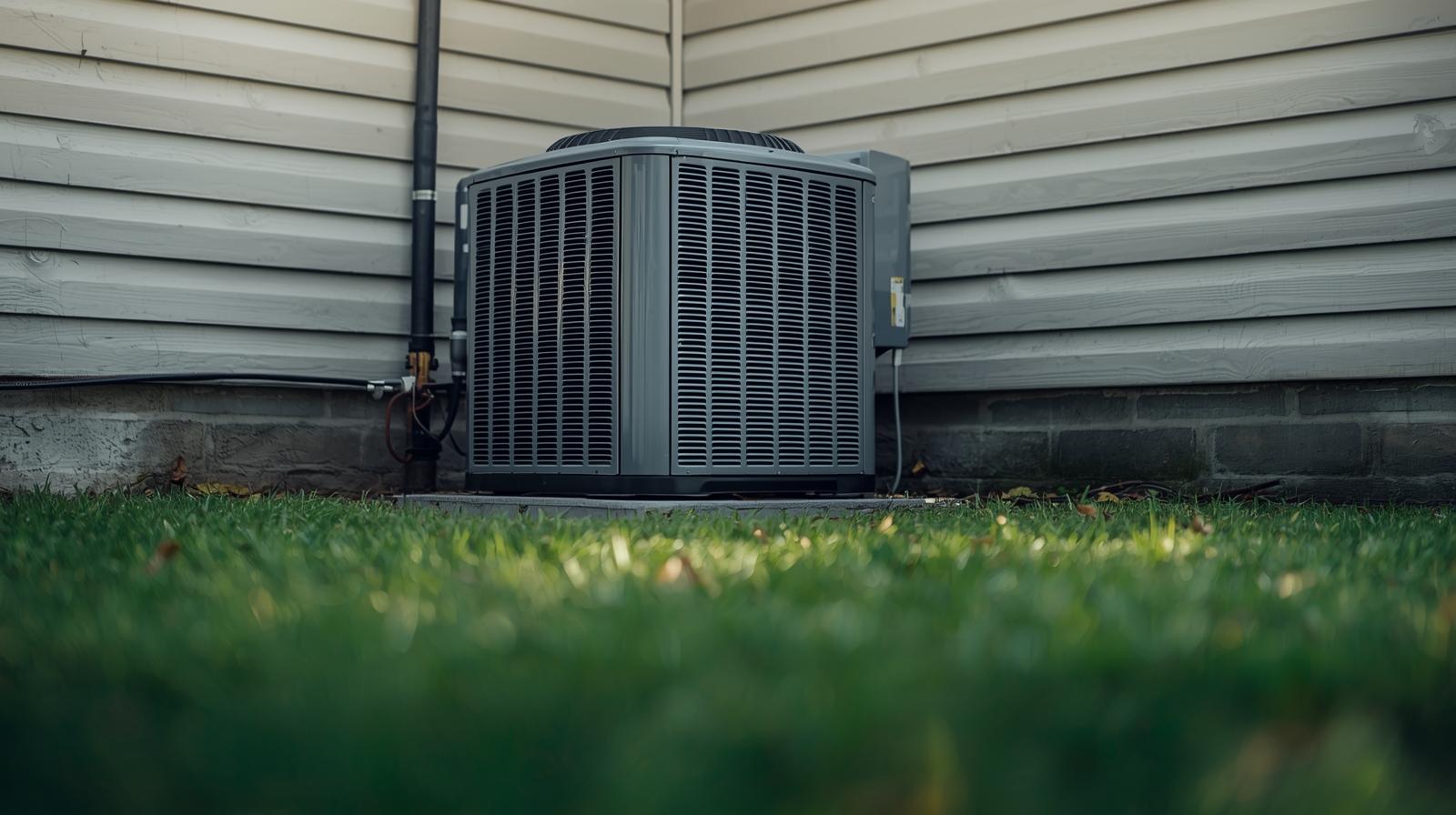
Garage air at returns can add heat, fumes, and humidity to central systems when doors, leaky platforms, or shared wall cavities connect living space to the garage.
Why garage returns matter in Florida
Attached garages share walls and sometimes chase spaces with hall returns. When the interior door stays open or the garage door opens on humid mornings, return grilles pull unfiltered garage air into the blower.
Hot parked cars, stored chemicals, and dust from open garage doors change what enters the duct system even when living areas look tidy. The thermostat may satisfy while occupants notice odor or heat spikes when the blower runs.
Fire rated doors with worn gaskets leak garage air even when doors stay closed.
Hall returns mounted on garage walls pull air whenever the blower runs, not only when the interior door is open. Leaky drywall joints around return boxes and missing gaskets at platform chases act like a second grille into the garage.
Platform air handlers with leaky platform return bases pull dust from garage framing when insulation is missing under the unit.
Common layout patterns
Ranch plans with returns in central halls often sit one door away from the garage. Laundry rooms between garage and house can become unintended mixing zones when door gaskets fail.
Platforms and dropped ceilings above garage bays sometimes hide flex duct with poor seals. Technicians document pressure relationships during blower operation before recommending relocation on air duct repair.
Pressure pan tests during blower operation confirm garage communication.
Townhomes and villas in Lecanto and Crystal River sometimes place air handlers on garage platforms with return grilles facing the vehicle bay. Car exhaust, mower storage, and seasonal humidity enter the duct even when owners keep good habits with interior doors.
Commercial style roll up doors on workshop bays change wind patterns that push humid air toward hall returns on windy Gulf afternoons.
Comfort and equipment effects
Garage heat raises return air temperature and can shorten cycles or leave bedrooms warm. Any chemical odor at supply vents deserves investigation of return source, not only filter type.
Filter upgrades cannot fully treat air that never passed the intended return path. Assessment on indoor air quality assessment may include return location sketches for Lecanto, Hernando, and Floral City layouts.
Tandem garage bays sometimes share flex chases that pull air from both bays.
Commercial style roll up doors on workshop bays change wind patterns that push humid air toward hall returns on windy Gulf afternoons.
Pressure balancing with doors closed for sleeping can increase garage pull at the return because bedroom air cannot reach the hall grille. Transfer grilles and jumper ducts appear on repair quotes when measurements show negative pressure in closed bedrooms.
Corrections we see in the field
Return relocation, door hardware habits, sealing between garage and conditioned space, and dedicated returns in starved bedrooms appear on work orders after testing. Mini split additions for isolated wings use mini split repair and installation when duct rework is impractical.
Compare symptoms with outside air paths before adding dehumidification when moisture enters through the same openings.
Foam sealant around return boots does not replace fire rated separation when a chase communicates with the garage attic. We document which side of the wall the return box sits on before recommending relocation.
Scheduling
Describe garage door habits, interior door positions during cooling, and when odor or heat started. Use contact or (352) 621-3444. More duct notes: why air ducts matter and maintenance plans for seasonal coil and drain checks.
Heat pump modes that run the blower without cooling may still move garage air through the return when only the fan is on for circulation programs.
Return path notes for garage communication
Door gaskets, transfer grille sizes, and return location relative to the garage wall are sketched on the sheet.
Sealing between garage and conditioned space is quoted separately from equipment replacement when pressure data supports it.
Reports distinguish owner habits from construction changes that need carpentry or duct relocation.