Are Heat Pumps a Good Fit for Florida Homes?
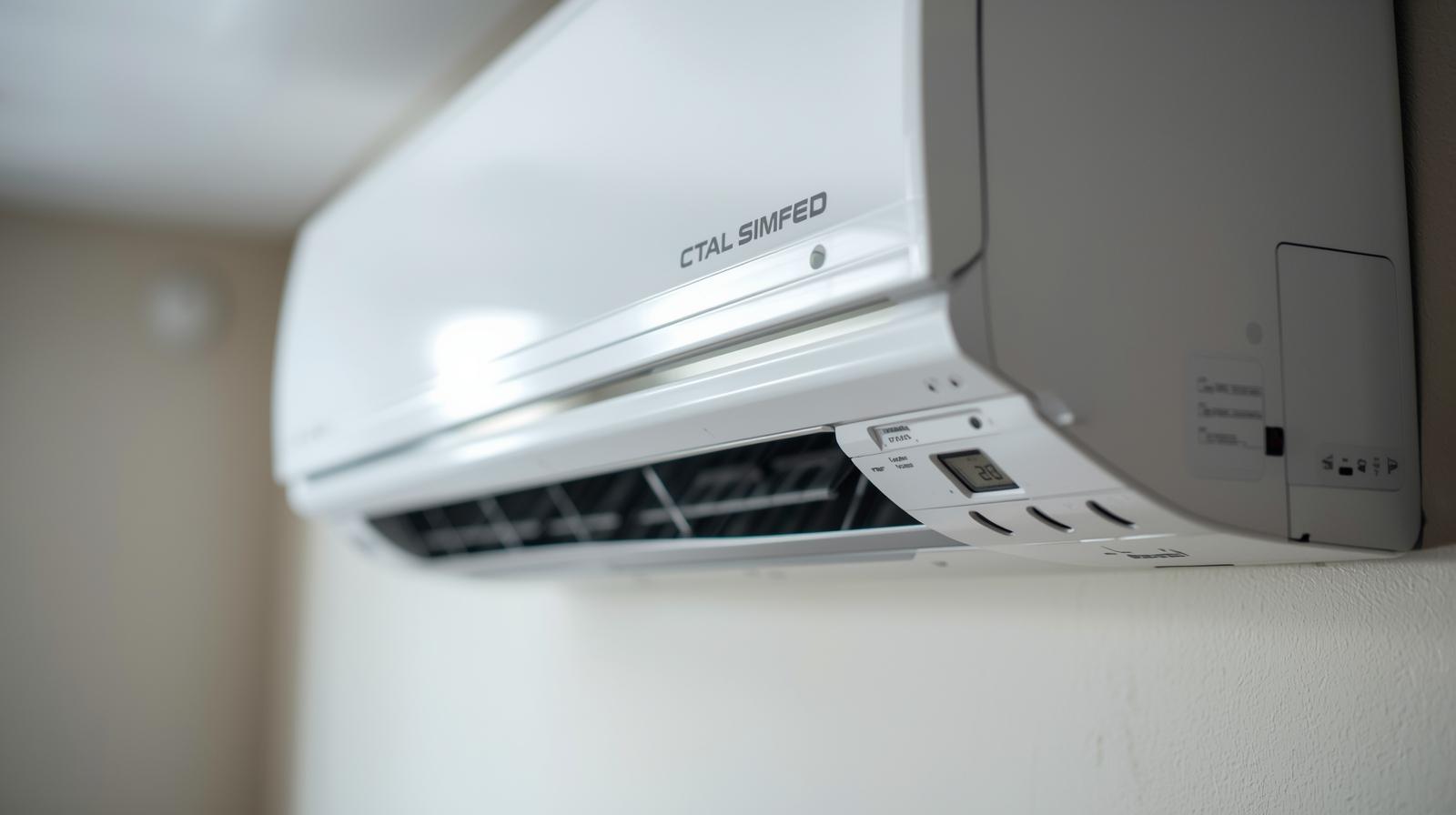
A heat pump in Florida is usually a very good fit, because it cools your home through the long hot season and handles those cooler winter mornings without needing a separate heating system. If you have ever wondered why one house feels comfortable in August and still takes the chill off in January, climate and equipment choice have a lot to do with it.
What a heat pump does and why florida homes are different
A heat pump does not create heat the way a toaster or space heater does. It moves heat from one place to another. In summer, it pulls heat out of your home and sends it outside. In winter, it reverses direction and pulls heat from outdoor air to warm your home inside.
That sounds a little strange at first. But think of it like an air conditioner with a reverse gear. Same basic idea, different direction.
Florida makes this question more interesting because your home spends far more time cooling than heating. A sticky October afternoon in Orlando can still feel like peak summer, yet a January morning may leave tile floors cold enough to make you reach for socks. That mix matters. It means the best system for Florida is not necessarily the best system for Chicago, and that is exactly why heat pumps tend to make so much sense here.
How a heat pump works in everyday terms
The phrase "heat transfer" sounds technical, but the idea is simple. Heat naturally moves, and a heat pump uses refrigerant, coils, and a compressor to move that heat where you want it. Out of the house when it is hot. Into the house when it is cool.
What you notice at home is straightforward. In summer, you get cold air from the vents, just like with central AC. In winter, you get warm air, though usually softer and less blast-hot than furnace heat. The system runs, your thermostat reaches the set temperature, and the house feels comfortable.
For most people, that is the whole point.
Why Florida’s mild winters change the answer
Heat pumps shine in places with mild winters, and Florida is one of the best examples. Since outdoor air usually stays warm enough for a heat pump to pull useful heat from it, the system can heat your home efficiently through most of the season.
That is the direct answer: Florida is one of the best places for a heat pump to do its job well.
If winter lasted five hard months, the conversation would be different. But in a state where heating is usually a short supporting role rather than the main event, heat pumps line up well with how your home actually uses energy.
Why a heat pump can be a good fit in florida
The biggest advantage is simple: a heat pump matches Florida’s climate. You get one system for year-round comfort, strong cooling performance, and more efficient heating than older all-electric setups that rely heavily on resistance heat.
That last part matters more than many homeowners realize.
Cooling and heating from one system
A heat pump handles both cooling and heating in one package. That can make replacement easier if your current system is aging, especially if you already have central ductwork and an older AC paired with electric heat.
Instead of thinking in terms of separate machines for separate seasons, you get one system doing both jobs. Fewer moving parts in the decision. Less back-and-forth about what to replace. If your equipment is near the end, that simplicity is a real benefit.
Better efficiency in a warm climate
Efficiency just means using less electricity to get the same comfort. Heat pumps are good at that because they move heat instead of generating it through electric resistance strips.
That distinction is a big deal. Electric resistance heat works a bit like a giant hair dryer in your air handler. It can warm the house, but it uses a lot of power to do it. A heat pump usually needs much less electricity during a typical Florida winter because it is relocating heat, not making it from scratch.
In a warm climate, that efficiency advantage gets easier to keep.
Lower energy bills in many florida homes
A properly sized heat pump often costs less to run in Florida than older electric heating options. Not every home saves the same amount, because insulation, thermostat habits, duct leakage, and system condition all matter. But the general pattern is clear.
If your current setup is an older AC with electric strip heat, a heat pump often brings down operating costs, especially during the heating season. The savings may not feel dramatic every single month, but over time, lower energy use adds up.
The catch: when a heat pump is not the perfect answer
Heat pumps are a strong fit for many Florida homes, but not every complaint about comfort gets solved just by swapping equipment. A few trade-offs catch people off guard, usually because expectations were set wrong from the start.
The air can feel less “toasty” than furnace heat
Here’s the thing: heat pump air often feels warm, but not hot-hot.
If you stand over a vent expecting that blast of very hot air a gas furnace can produce, a heat pump may feel underwhelming. That does not mean it is failing. It just heats differently. The home can still reach the thermostat setting and stay comfortable, even if the supply air feels gentler at the register.
Cold snaps and backup heat
Florida does get cold fronts, and on those rare colder mornings, backup heat can kick in. Auxiliary heat is simply a second heating source, often electric heat strips, that helps when outdoor temperatures dip enough that the heat pump needs support.
Most winters, that backup heat stays in the background. During a freeze or a sharp overnight cold snap, it may run more often. That is normal. The trick is understanding that backup heat is there for those occasional tougher moments, not for everyday Florida weather.
Upfront cost and installation quality matter
A heat pump can cost more upfront than a very basic replacement in some situations. And if installation is sloppy, the efficiency benefits can disappear fast.
Sizing matters. Airflow matters. Refrigerant charge matters. Duct condition matters. The name on the equipment cabinet matters less than many ads would have you believe. A perfectly installed mid-tier system will usually beat a poorly installed premium one.
Heat pump vs. other common florida HVAC setups
Most Florida homeowners are not comparing ten different systems. Usually, you are choosing between a few common setups that all sound similar until you break them down.
Heat pump vs. standard AC with electric heat
This is often the most relevant comparison in Florida. A standard central AC cools your home, and electric heat strips handle winter heating. A heat pump cools the same way but heats much more efficiently in normal mild weather.
So if your choice is between those two, a heat pump usually wins on heating efficiency while still doing the cooling job you already expect.
Heat pump vs. gas furnace
Some Florida homes have natural gas, but many do not. That makes heat pumps a practical all-electric option.
Compared with a gas furnace, a heat pump usually delivers milder-feeling heat but works well in Florida’s shorter heating season. It also avoids combustion inside the home, which some homeowners prefer for simplicity and safety. In a mild climate, the furnace advantage matters less than it does farther north.
Heat pump vs. mini-split heat pump
A mini-split heat pump is still a heat pump, just ductless. It is a great fit for additions, bonus rooms, smaller homes, garages converted to living space, or trouble spots that never cool evenly.
If your ductwork is in bad shape, a mini-split may solve the problem without relying on ducts at all. For a whole-house central system, though, a standard ducted heat pump is often the more familiar route.
How to tell if your home is a good candidate
A good candidate is not just about climate. Florida helps, but your home still has to support the system properly.
Your current system and utility setup
A heat pump makes a lot of sense if you are replacing an older AC with electric heat, dealing with rising power bills, or living in a home without natural gas service. It also fits well if you want one system to handle both seasons without overcomplicating the setup.
If your current system already struggles on mild winter mornings, that is another clue worth noticing.
Insulation, air sealing, and duct condition
Even a good heat pump struggles if conditioned air leaks away like a cold drink sweating through a cracked cup. If your attic insulation is thin, some rooms feel drafty, or your ducts leak in a hot attic, comfort and efficiency both take a hit.
That does not mean you should skip the heat pump. It means your house may need a little support so the system can actually perform the way it should.
Proper sizing is everything
A load calculation is just a measurement of how much heating and cooling your home really needs. It looks at square footage, insulation, windows, sun exposure, duct design, and more.
Choosing by square footage alone is a mistake. An oversized unit can short cycle and leave humidity behind. An undersized one can run too long and still struggle. In Florida, humidity control is not a side issue. It is half the comfort story.
Costs, efficiency ratings, and what to ask before you swap
Shopping for HVAC gets confusing fast because every quote throws in terms that sound more technical than they need to be. A little translation helps.
What SEER2 and HSPF2 mean
SEER2 measures cooling efficiency. HSPF2 measures heating efficiency. Higher numbers generally mean better efficiency.
But only if the system is installed correctly. A strong rating on paper cannot fix poor ductwork, bad airflow, or sloppy setup. Use those numbers as part of the picture, not the whole picture.
Upfront price vs. long-term value
The cheapest option on install day is not always the cheapest over the life of the system. If one system costs less now but uses more electricity every month, needs more repairs, or leaves you uncomfortable, the bargain fades pretty quickly.
Think about your current repair history, your utility bills, and how long you expect to stay in the home. Those details matter more than chasing the lowest bid.
Rebates, tax credits, and florida incentives
Available programs can change, so it is smart to ask about utility rebates, federal tax credits, and Florida efficiency programs before you replace anything. The Florida Energy Saver Program is one place to watch for updates, and federal energy incentives may also apply depending on the equipment and timing.
It is worth checking. Sometimes the numbers look better than expected.
Common questions about heat pumps in florida
A few questions come up again and again because the same concerns tend to surface right before replacement day.
Do you really need heat in florida?
Yes. Not because you need a heavy-duty northern heating system, but because cooler nights and winter mornings are still part of life in Florida. Even a short heating season matters when your house feels damp and chilly at 6:30 a.m.
Will a heat pump work during a florida freeze?
Yes, though efficiency drops as outdoor temperatures fall. During rare freeze events, backup heat may help carry the load. For normal Florida cold weather, a heat pump usually handles the job just fine.
How much maintenance does a florida heat pump need?
Since your system works almost year-round, regular maintenance matters. Expect filter changes, coil cleaning, drain line checks, and tune-ups to keep up with heat, humidity, and long cooling seasons.
What’s The best next step if You’re not sure?
Check what kind of backup heat your current system uses, then get a load calculation and duct inspection before replacing anything. That one step gives you a much clearer answer than guessing from the model number on your old unit.
Disclaimer: This article is for general informational purposes only. It is not professional advice, a quote, or a service agreement. Conditions at your home or property may differ; contact a qualified professional for an on-site evaluation before making repair, safety, or spending decisions.
Ready to talk through this?
Send notes and photos when you contact us. We will explain what we can confirm and what comes next.