A Heat Pump's Defrost Cycle Can Look Strange Without Being a Breakdown
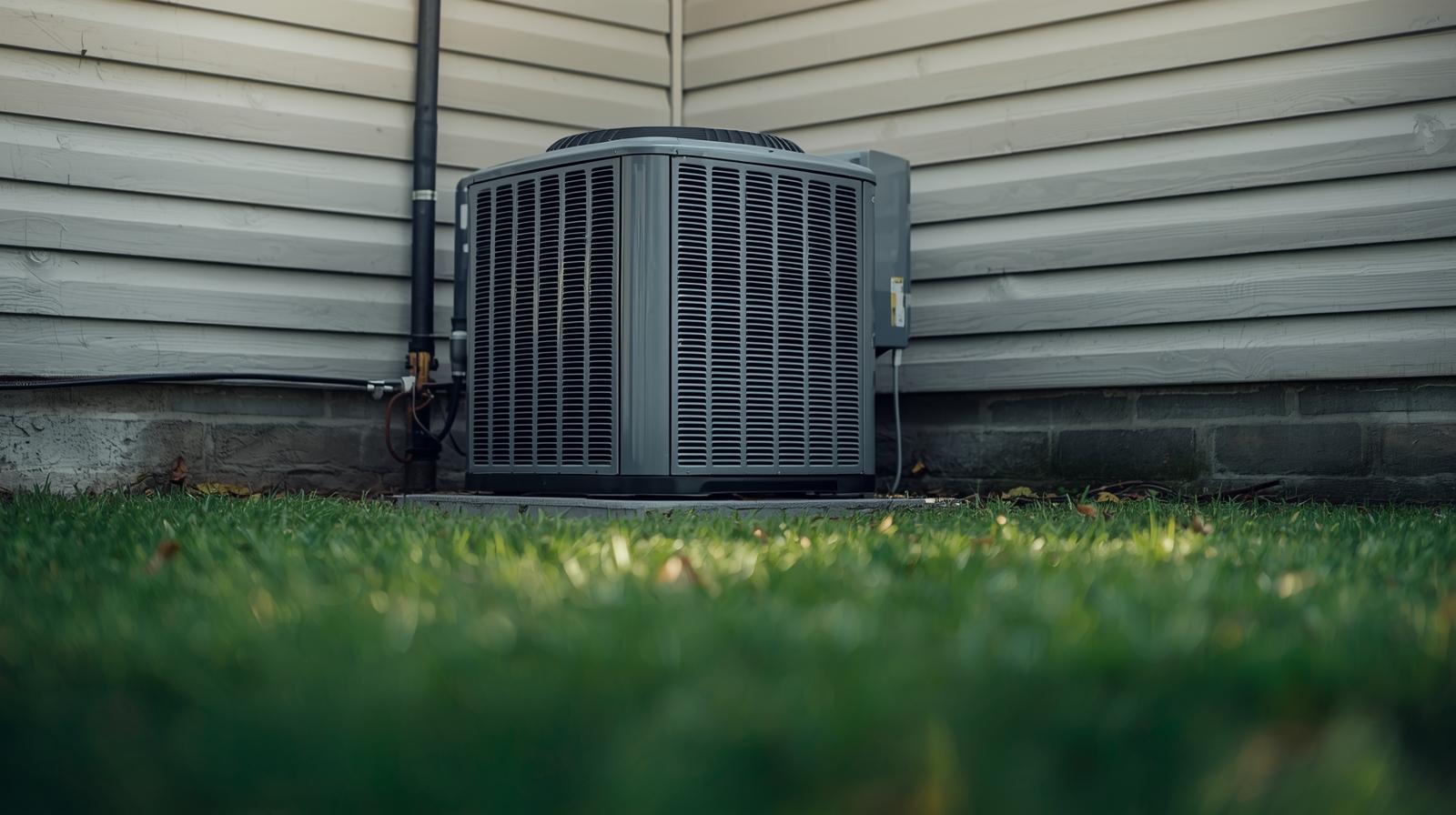
Most people begin researching heat-pump defrost behavior because of something they have noticed in everyday use. It may be a recurring inconvenience, a visible change, or a project that raises new questions. Citrus County winters are mild, but cool damp mornings can still create conditions that trigger defrost. You do not need to know the technical answer before starting the conversation. A clear description of what is happening and what you hope to improve gives us a useful starting point.
For this topic, it helps to look beyond the thermostat. Reviewing outdoor temperature, frost pattern, and cycle duration gives a fuller picture of how the equipment is handling comfort and moisture. None of those details should be used alone to jump to a conclusion. Together, they help show whether the concern is related to maintenance, installation, normal operation, or a condition that deserves a closer repair discussion.
Why the Details Matter
The surrounding setup matters as well. Questions about steam during defrost, auxiliary heat operation, and fault history can affect access, drainage, airflow, long-term maintenance, and what can be checked during a normal visit. These are not reasons to assume a larger problem. They are practical details that help us see whether the equipment can be serviced properly and whether the recommended change will continue to work after the appointment.
A common shortcut is judging one visible cloud of steam without considering temperature, timing, or whether ice clears. It can sound reasonable because it gives the conversation one simple answer, but it may not reflect the way your home is actually used. Looking at the full situation first can confirm that the simple option is enough when it truly fits. It can also prevent money and time from being spent on a change that does not address the original concern.
Before service, note when the change is easiest to notice, whether it follows a long cooling or heating cycle, and whether you have seen water, frost, unusual sound, or weak airflow. You do not need a formal report. A few clear notes or photos related to outdoor temperature, frost pattern, and cycle duration can make the first conversation far more useful.
Timing may influence what can be seen during the service visit. Weather, occupancy, seasonal use, or recent work can temporarily hide or exaggerate a condition. If the concern comes and goes, a dated photo or a short note about when it appears can help. That is especially useful for heat-pump defrost behavior, because the most informative condition may not be active when the appointment begins. When reviewing heat-pump defrost behavior, keep any follow-up tied to a clear change involving fault history.
What a Helpful Visit Should Cover
The useful question is not simply, 'What can be done?' It is when normal operation should be monitored and when persistent ice, unusual duration, or comfort loss calls for service. That keeps the recommendation tied to an outcome rather than a list of services. You should know why each proposed step is included, what inconvenience it may create, and whether leaving part of the existing system unchanged is a reasonable choice.
Before deciding, ask what was learned from outdoor temperature, why frost pattern matters, and whether the situation involving fault history changes the timing or follow-up. These are not technical questions. They are a simple way to make sure the recommendation addresses the issue you noticed and not just the easiest work to propose.
Sometimes the most useful finding is that one part of the heating and cooling system is not contributing to the concern. That can remove an unnecessary step and make the remaining recommendation easier to understand. Helpful service should reduce uncertainty, not create a new worry around every component or area.
During the service visit, we keep the conversation centered on the reason you reached out. We will explain what we can confirm, what may need another step, and how the recommendation connects to your everyday use of the home. The goal is for you to understand the plan without needing technical vocabulary to evaluate it.
The goal is not to collect every possible concern around the system. It is to understand the few details that matter for heat-pump defrost behavior and make a comfortable decision from there. A good result should make sense in everyday use, not only sound convincing in a proposal or service explanation.
Ready to talk through this?
Send notes and photos when you contact us. We will explain what we can confirm and what comes next.