When Air From Every Vent Feels Weak Across Your Citrus County Home
A single hot bedroom is one puzzle. A house where every supply register puffs like a tired birthday candle is a different puzzle entirely. When airflow drops everywhere at once, the problem usually lives upstream of the vents: the blower, the coil, the filter, or the trunk and branch duct system that feeds the whole home. After decades of service calls across Homosassa, Crystal River, Inverness, and the smaller towns around Citrus County, we see the same handful of root causes repeat with small variations. This article explains what those patterns mean, what you can check safely, and when to call for work that requires training, tools, and patience.
Rule out the fast checks before you assume the worst
Start simple because simple is often true. A filter that is too dense for the return size, or loaded with dust after pollen season, can choke airflow across the entire system. A return grille blocked by a new piece of furniture, a pet gate, or a stack of storage bins produces the same feeling: the house never gets a full breath.
- Confirm the filter direction matches the arrow and that it is the correct thickness. A one inch filter slot cannot accept a four inch media filter without stealing cross section.
- Open every supply register you closed for winter or for rooms you rarely use. Partially closed registers increase static pressure and can contribute to coil icing.
- Listen at the return while the fan runs. A thin whistling sound often points to restriction at the grille or a filter that is too restrictive for your duct design.
If only one room misbehaves while others feel fine, your situation may align better with when one room stays hot while the rest of the house cools down. Come back here if the weakness is widespread.
Why a dirty indoor coil steals airflow you cannot see
The evaporator coil sits in the air stream after the filter and before the blower on many air handlers, or before the conditioned air enters the ducts depending on configuration. When that coil mats with dust and microbial growth, air has to squeeze through a narrow path. The symptom is weak supply everywhere, sometimes paired with longer run times and higher electric bills because the system is working against itself.
What homeowners notice first
You might see water around the indoor unit from melting ice, or you might only feel tepid flow at the registers. In humid weeks along the Nature Coast, a partially blocked coil can cross the line into freezing, which makes the problem swing between weak air and no air as ice builds and melts.
What fixes it
Proper cleaning respects the metal fins and the drain pan. Random spray from a bottle of household cleaner is a poor substitute for a controlled process that protects wiring and does not bend fins into a solid wall. When coil condition is severe, a technician may document whether airflow improved with measured values so you are not guessing.
The blower wheel can look fine from the hallway and still be wrong
The blower does not need to be broken to move less air. A wheel coated in fine dust loses the bite it needs to push volume through long attic runs common in Citrus Springs and Beverly Hills ranch plans. Belt drive setups, less common on modern equipment but still present on older systems, can slip slightly and reduce output before they squeal loud enough to wake the household.
If your system is older and repair history is thin, pairing airflow work with an honest conversation about remaining life makes sense. Our when to replace your heating and cooling system guide offers a steady way to think through that decision without pressure.
Duct problems that affect the whole floor plan
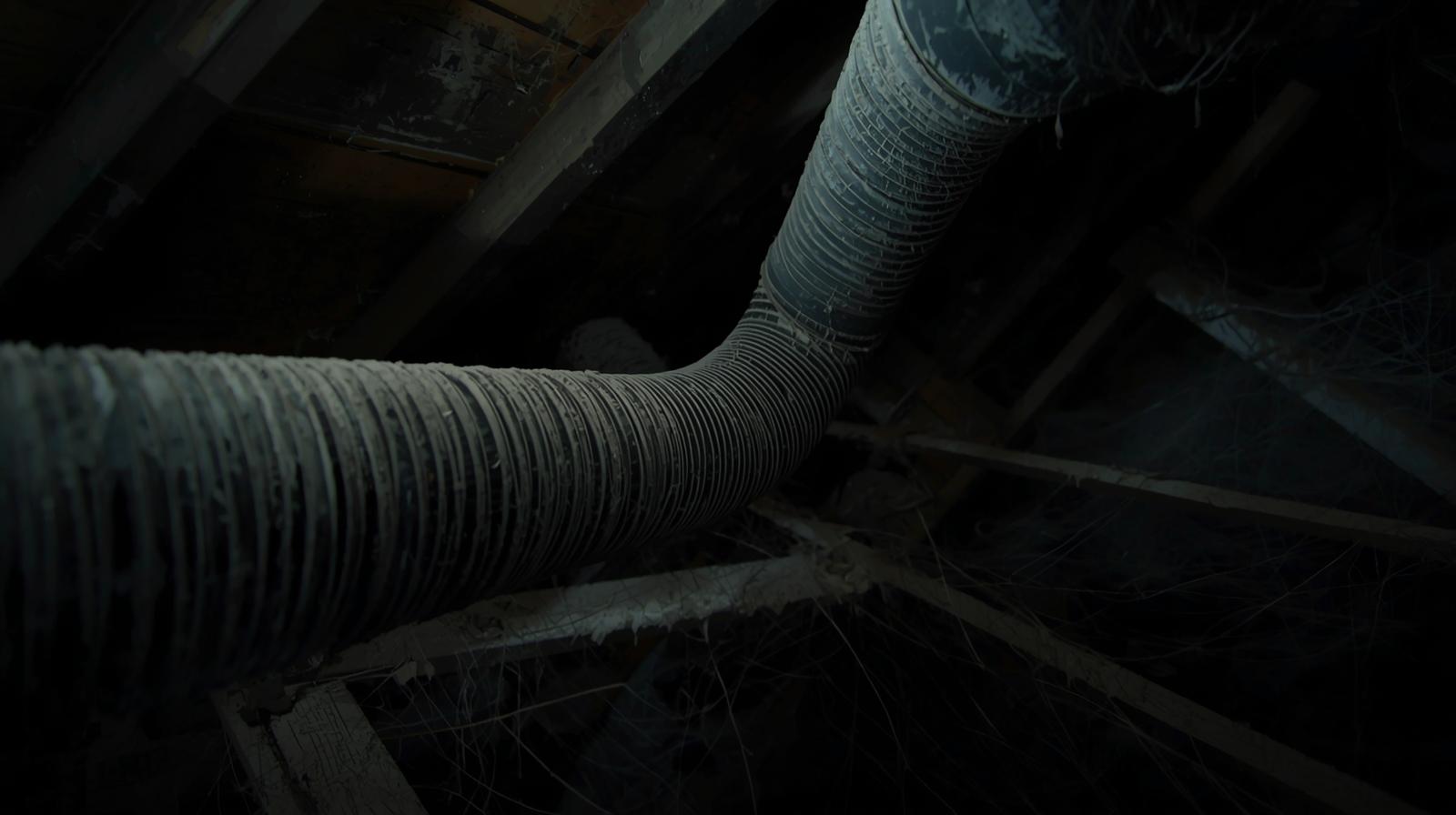
Disconnected flex runs in an attic, a main trunk partially crushed by storage, or a collapsed section buried in insulation can reduce delivered air to every room simultaneously. Leakage at a central junction sends conditioned air into the attic instead of the living space, which feels exactly like weak registers downstairs because the air never arrives where you stand.
How this differs from normal aging
Every duct system leaks a little. Widespread weakness that showed up suddenly after roof work, pest activity, or a cable installer crawling the attic suggests a physical change worth inspecting visually. Slow decline over years points more toward gradual leakage accumulation and blower wear.
Services that match duct related patterns
When the primary concern is cleanliness and loose debris, air duct cleaning may fit after evaluation. When runs are damaged or poorly connected, air duct repair is the path that restores intended airflow. If you smell mustiness alongside weak flow, add indoor air quality assessment so you address both comfort and what you breathe.
Electrical and control issues that cap fan speed
Some systems use multiple fan speeds or variable settings. A failed relay, a loose low voltage connection, or a thermostat configuration mistake can leave the fan on a lower stage than design intends. The house still cools sometimes, but slowly, and registers never feel strong. These issues are not moral failures on your part. They are small parts doing small jobs, and when one drifts, the whole sensation changes.
Diagnosis belongs in trained hands because miswired tests can damage boards or mask a simpler filter issue. If you are also noticing wild temperature swings, review thermostat repair and installation for context on controls we service.
What to expect when you call Air Care
We will ask when the weakness started, whether it affects heating mode too, and whether you hear new sounds. We will check filter fit, measure what your equipment allows, and explain findings before proposing work. If the outdoor unit struggles as well, we fold that into the same story so you are not paying for two separate mysteries.
For equipment repair and replacement decisions tied to performance, our air conditioner repair and installation page outlines how we approach central systems in local homes. About tells you who we are, and contact is the fastest way to get a visit on the calendar.
Stop guessing about weak vents
Bring your observations and your recent electric bills if you have them. We connect symptoms to causes with plain language and local experience.