Choosing the Right Size AC System for Your Citrus County Home Without Getting Ripped Off
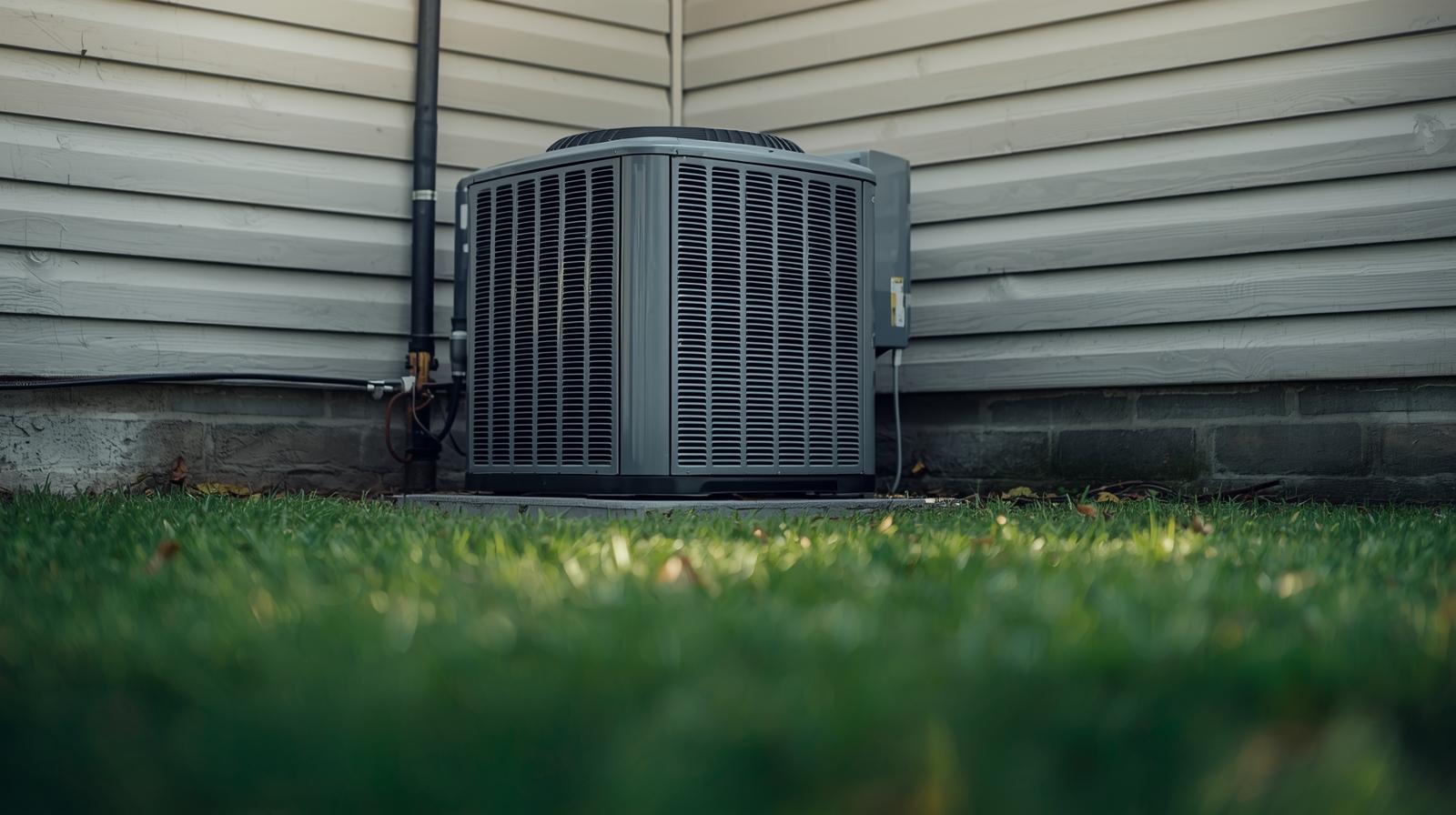
When your air conditioner finally dies and you start getting replacement quotes, almost every contractor will walk around your home for ten minutes, glance at your old equipment, and confidently announce what size system you need. What they will not tell you is whether that recommendation is based on actual science or pure guesswork designed to maximize their profit. After thirty five years of installing systems throughout Homosassa, Crystal River, and Inverness, we have seen the catastrophic results of wrong sizing from both directions—homeowners suffering in undersized systems that never cool properly, and homeowners paying hundreds extra every month to run oversized equipment that cycles on and off every five minutes. This guide will teach you exactly how sizing should be done and give you the specific questions to ask that separate legitimate contractors from smooth talking salespeople.
Why Most Contractors Get Sizing Wrong
Before we explain the correct process, you need to understand why so many companies deliberately skip it. The answer comes down to time, profit margins, and the unfortunate reality that most homeowners never realize they received the wrong size until years later.
Rule of Thumb Sizing Saves Time
The construction industry uses a lazy shortcut that says you need one ton of cooling capacity for every five hundred square feet of living space. By this logic, a two thousand square foot home needs a four ton air conditioner, period. This calculation completely ignores insulation levels, window orientation, ceiling height, ductwork condition, and the dozen other factors that determine actual cooling requirements. A contractor using this method can quote your job in fifteen minutes without ever entering your attic or asking about your comfort complaints.
Bigger Equipment Means Bigger Profit
Air conditioning equipment is priced in tiers based on capacity. A three ton system wholesales for roughly twelve hundred dollars. A four ton system wholesales for roughly sixteen hundred dollars. A five ton system wholesales for roughly two thousand dollars. When a contractor recommends the five ton unit you do not need instead of the three ton unit that would work perfectly, they pocket an extra four hundred dollars in markup plus the increased labor rate they charge for installing "bigger" equipment. Multiply this across fifty installations per year and you see why oversizing is rampant.
Liability Fear Drives Oversizing
Contractors worry that if they install a properly sized system and the homeowner complains about any hot room in the house, they will be blamed for undersizing. To protect themselves, they add an extra half ton or full ton of capacity as insurance. The homeowner ends up with a system that cools the home quickly but removes almost no humidity, cycles constantly, and costs thirty to fifty percent more to operate than necessary. But the contractor cannot be accused of installing too small a unit, so they consider it a win.
---What Proper Load Calculation Actually Involves
The industry standard for accurate sizing is called a Manual J load calculation, named after the Air Conditioning Contractors of America manual that defines the process. This is not an estimate or a guess—it is a room by room engineering analysis that accounts for every factor affecting your home's cooling requirements.
Building Envelope Measurements
A legitimate load calculation starts with precise measurements of every exterior wall, window, door, and roof surface that separates your conditioned living space from the outdoors. The technician records not just square footage but also orientation—a west facing wall with afternoon sun exposure creates far more heat gain than a north facing wall in constant shade. Window sizes matter enormously because glass transfers heat at ten times the rate of an insulated wall.
Insulation Assessment
The amount and type of insulation in your attic and walls directly determines how much heat penetrates your home. A house in Lecanto with twelve inches of modern blown insulation might need a three ton system, while an identical house in Beverly Hills with four inches of old fiberglass insulation needs four tons. The only way to know is by climbing into the attic and measuring actual conditions, not reading the plans from when your home was built in nineteen eighty five.
Infiltration and Ventilation
Air sealing quality varies wildly between homes. Older homes with original single pane windows, unsealed electrical penetrations, and gaps around doors can experience air exchange rates three times higher than newer construction. Every cubic foot of hot humid outdoor air that infiltrates your living space must be cooled and dehumidified. The load calculation accounts for your home's specific leakage rate based on age, construction quality, and any improvements you have made.
Internal Heat Gains
The heat generated inside your home from people, lights, appliances, and electronics adds to the cooling load. A home office with three computers and multiple monitors generates far more heat than a spare bedroom used once per month. Kitchens with gas ranges create different loads than kitchens with electric ranges. These internal gains are factored into the calculation on a room by room basis.
Duct System Evaluation
Your ductwork is supposed to deliver one hundred percent of the cooled air produced by your indoor unit to your living spaces. In reality, the average duct system in Citrus County loses twenty five to forty percent of that air to leaks, gaps, and poor insulation. A properly sized system accounts for your actual measured duct leakage, not an assumption that everything works perfectly.
---The Red Flags That Indicate a Contractor Is Guessing
When you request quotes for a new system, pay close attention to the process each company follows. These warning signs tell you they are not doing legitimate load calculations.
They Never Enter Your Attic
It is physically impossible to assess insulation levels, duct condition, or air handler installation quality without climbing into your attic. If a salesperson quotes your replacement from ground level, they are guessing. The only exception is if you are replacing a system that is less than five years old and you can provide documentation of the original load calculation and duct testing.
Their Proposal Lacks Room by Room Cooling Loads
A genuine Manual J calculation produces a detailed report showing the heat gain for every room in your home, the total building load, and the recommended equipment capacity with all assumptions clearly listed. This report typically runs eight to twelve pages. If your quote simply says "recommended three point five ton system" with no supporting documentation, you are looking at a guess.
They Match the Tonnage of Your Old System
The logic seems reasonable—your current system is four tons, so the replacement should be four tons. But this assumes your original system was sized correctly, which is often not true. It also ignores any improvements you have made since the original installation like adding attic insulation, replacing windows, or air sealing. Proper contractors verify the existing system size against current conditions rather than blindly matching it.
They Cannot Explain Why They Chose That Size
Ask your sales representative this specific question: "Can you walk me through how you determined this capacity is correct for my home?" A legitimate answer references insulation levels, window areas, measured duct leakage, and other specific factors from their site evaluation. A vague answer about square footage or "what usually works in homes like yours" tells you they are making it up.
---Understanding Tonnage and What It Actually Means
The cooling industry measures capacity in tons, which confuses homeowners because the number has nothing to do with weight. Understanding what tonnage represents helps you evaluate whether a recommendation makes sense.
One Ton Equals Twelve Thousand BTUs Per Hour
British Thermal Units measure heat energy. One BTU is the amount of energy needed to raise one pound of water by one degree Fahrenheit. A one ton air conditioner can remove twelve thousand BTUs of heat from your home every hour it operates. A three ton unit removes thirty six thousand BTUs per hour. A five ton unit removes sixty thousand BTUs per hour. The Manual J calculation determines exactly how many BTUs your home gains from the sun, outdoor air, and internal sources, then recommends equipment sized to match that load.
Typical Florida Homes Fall Into Predictable Ranges
While every home is unique, certain patterns emerge across thousands of installations. A well insulated fifteen hundred square foot concrete block home in Citrus Springs typically needs two point five to three tons. A poorly insulated two thousand square foot frame home in Hernando usually requires three point five to four tons. A large thirty five hundred square foot two story home in Inverness with lots of west facing windows might need five tons. These are rough guides, not substitutes for actual calculations.
Bigger Is Definitely Not Better
An oversized system cools your home too quickly, which sounds great until you understand the consequences. Air conditioners remove humidity during long run cycles. When an oversized unit satisfies the thermostat in seven minutes instead of fifteen minutes, it shuts off before extracting meaningful moisture from your indoor air. You end up with a home that is cold and clammy instead of cool and dry. The constant short cycling also destroys compressors and motors that are designed for longer run times, leading to premature failures.
---The Questions to Ask Every Contractor Who Quotes Your Job
These specific questions separate professionals from salespeople. Pay attention not just to the answers but to how confident and detailed the responses are.
Will You Perform a Manual J Load Calculation?
The answer must be yes, and they should offer to provide you a copy of the completed calculation. If they say it is not necessary, they use software that does it automatically, or they have enough experience to size by eye, eliminate them from consideration immediately. Load calculations take one to two hours and are a non negotiable requirement for accurate sizing.
Will You Test My Ductwork for Leakage?
Duct testing uses a calibrated fan and pressure measurement equipment to quantify exactly how much air your duct system leaks. The results are expressed as a percentage—ten percent leakage is excellent, twenty percent is acceptable, thirty percent or higher indicates your ducts need sealing or replacement before installing new equipment. This test costs one hundred fifty to three hundred dollars but provides information that directly affects system sizing.
What Efficiency Level Do You Recommend and Why?
Air conditioners are rated by SEER, which stands for Seasonal Energy Efficiency Ratio. Higher numbers mean greater efficiency and lower operating costs. The minimum legal SEER for new equipment in Florida is fourteen. Premium systems reach eighteen to twenty SEER. The right efficiency level depends on how long you plan to stay in your home, your monthly cooling costs, and available rebate programs. A contractor who automatically quotes the minimum efficiency without discussing options is trying to maximize their profit margin, not optimize your comfort and savings.
How Will You Handle My Existing Ductwork?
Installing a new air conditioner without addressing duct problems is like putting new tires on a car with a bent frame—you will not get the performance you paid for. Ask specifically whether they will seal leaks, add insulation, balance airflow between rooms, or recommend replacement. The honest answer for most Citrus County homes built before two thousand is that ductwork needs at least sealing and possibly sections replaced. Budget an additional eight hundred to two thousand dollars for this work.
---Special Considerations for Citrus County Coastal Conditions
Homes near the Gulf Coast face unique challenges that should influence both equipment selection and sizing calculations. Make sure your contractor accounts for these local factors.
Salt Air Requires Corrosion Resistant Components
If you live within five miles of the water in Homosassa or Crystal River, standard outdoor units will corrode significantly faster than the same equipment installed inland. Premium manufacturers including Carrier and Rheem offer coastal protection packages that feature specialized coil coatings, corrosion resistant fasteners, and enhanced cabinet treatments. These upgrades add four hundred to eight hundred dollars to equipment cost but can extend system life from ten years to fifteen years in our marine environment.
High Humidity Demands Enhanced Moisture Removal
Coastal homes deal with ambient humidity levels that exceed inland areas by ten to fifteen percentage points during summer months. This moisture load must be factored into your Manual J calculation as an adjustment to the standard humidity assumptions. The result is often a recommendation for variable speed equipment, a whole home dehumidifier, or both. Single speed systems that work perfectly in Gainesville will leave coastal homes feeling clammy and uncomfortable.
Hurricane Preparedness Affects Equipment Placement
Installing your outdoor unit on a ground level pad seems convenient until a storm surge floods your yard with eighteen inches of seawater. Homes in flood zones should consider elevated equipment mounting, outdoor unit placement on second story platforms, or indoor installation of ductless mini split systems that eliminate vulnerable outdoor components. These decisions affect both installation costs and the load calculation process.
---What Fair Pricing Looks Like for Properly Sized Systems
Once you have verified that a contractor is doing legitimate sizing, you need to evaluate whether their pricing is reasonable. These ranges reflect current costs for quality installations in Citrus County as of March two thousand twenty six.
Budget Tier Systems
A basic fourteen SEER single speed system from a reputable brand like Goodman or Amana typically costs forty five hundred to six thousand dollars installed for a two to three ton residential application. This includes the outdoor condenser, indoor air handler or furnace, thermostat, refrigerant line set, and labor. It does not include duct modifications, electrical upgrades, or removal of the old equipment, which add another six hundred to twelve hundred dollars depending on complexity.
Mid Tier Systems
A quality sixteen SEER two stage or variable speed system from Carrier, Rheem, or Trane runs sixty five hundred to ninety five hundred dollars installed for typical residential sizing. These systems offer better humidity control, quieter operation, and improved energy efficiency compared to budget equipment. The higher cost reflects both equipment expense and the additional installation time required for variable speed components and enhanced controls.
Premium Systems
Top tier systems with eighteen to twenty SEER ratings, full variable speed operation, advanced diagnostics, and smartphone integration cost nine thousand to fourteen thousand dollars installed. Premium brands include Mitsubishi ductless mini splits, Carrier Infinity series, and Lennox Signature series. These systems provide the absolute best comfort and lowest operating costs but require a ten to fifteen year ownership period to justify the upfront investment through energy savings.
---Get an honest assessment backed by real engineering
We provide every customer with a detailed Manual J load calculation, duct leakage testing, and written estimates that show exactly what you are paying for. No pressure, no gimmicks, just thirty five years of serving your Citrus County neighbors with integrity.